S E L E C T E D W O R K S
A l i v i n g v e s s e l o f a r t a n d m e m o r y …
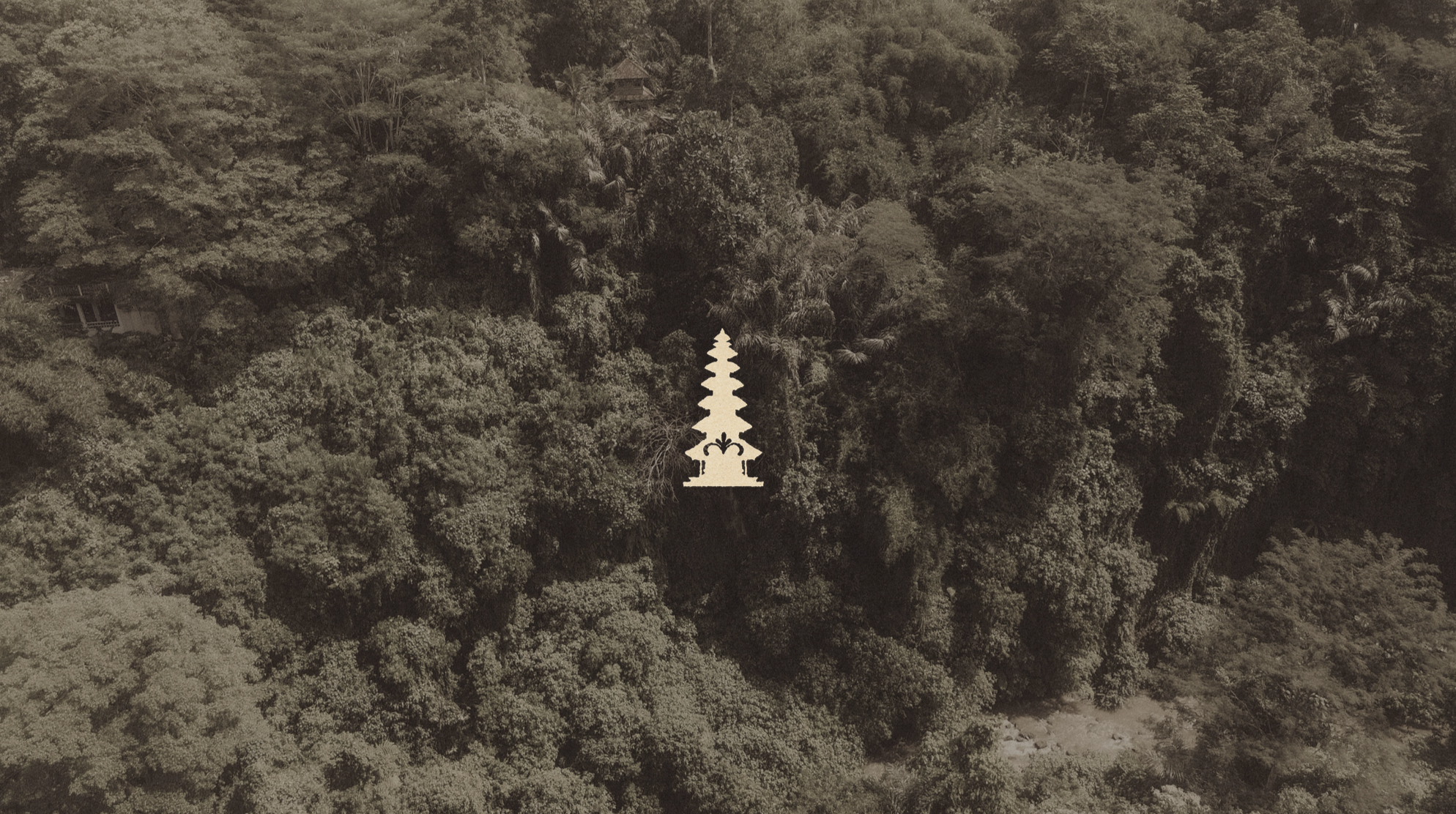
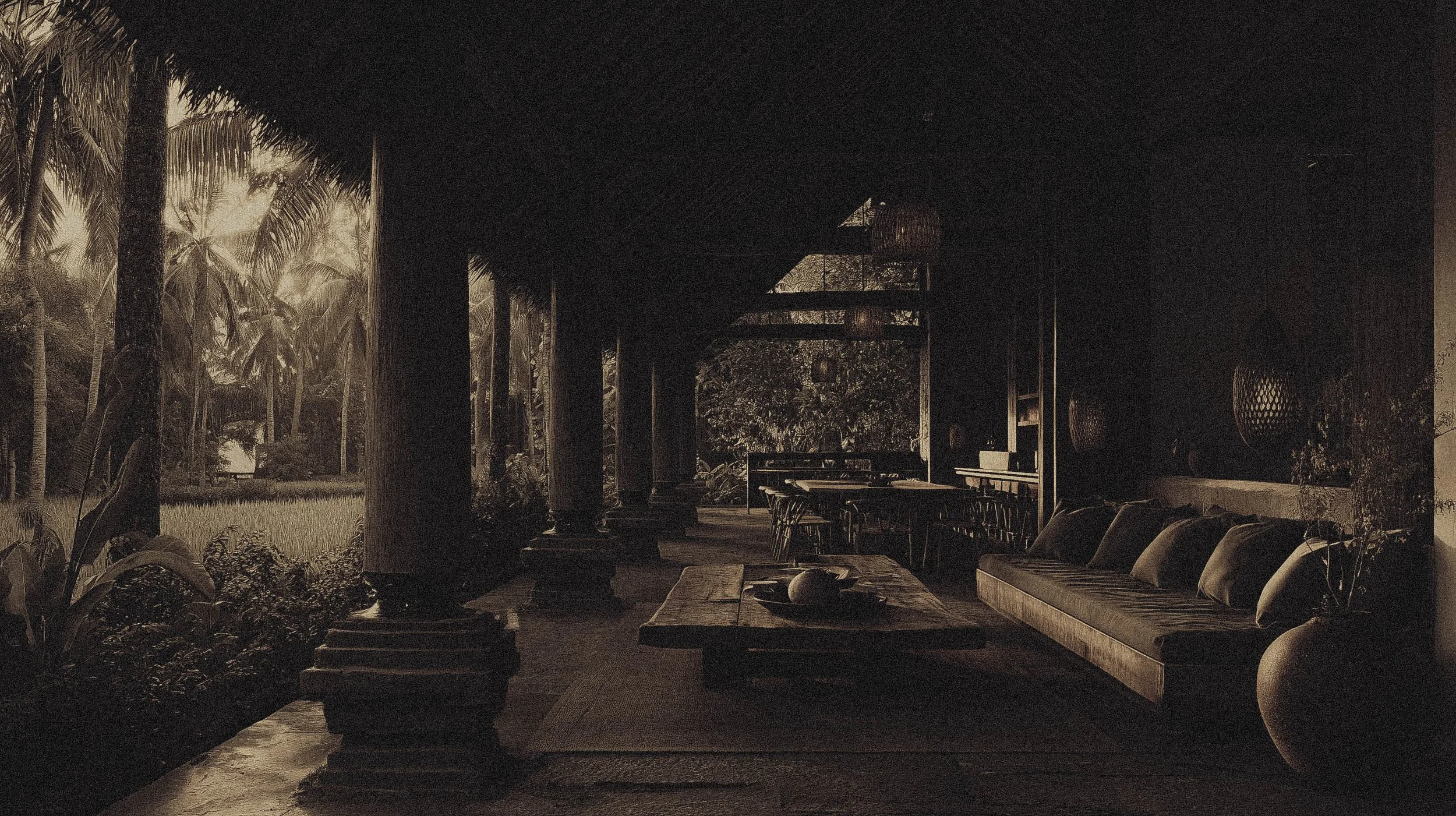
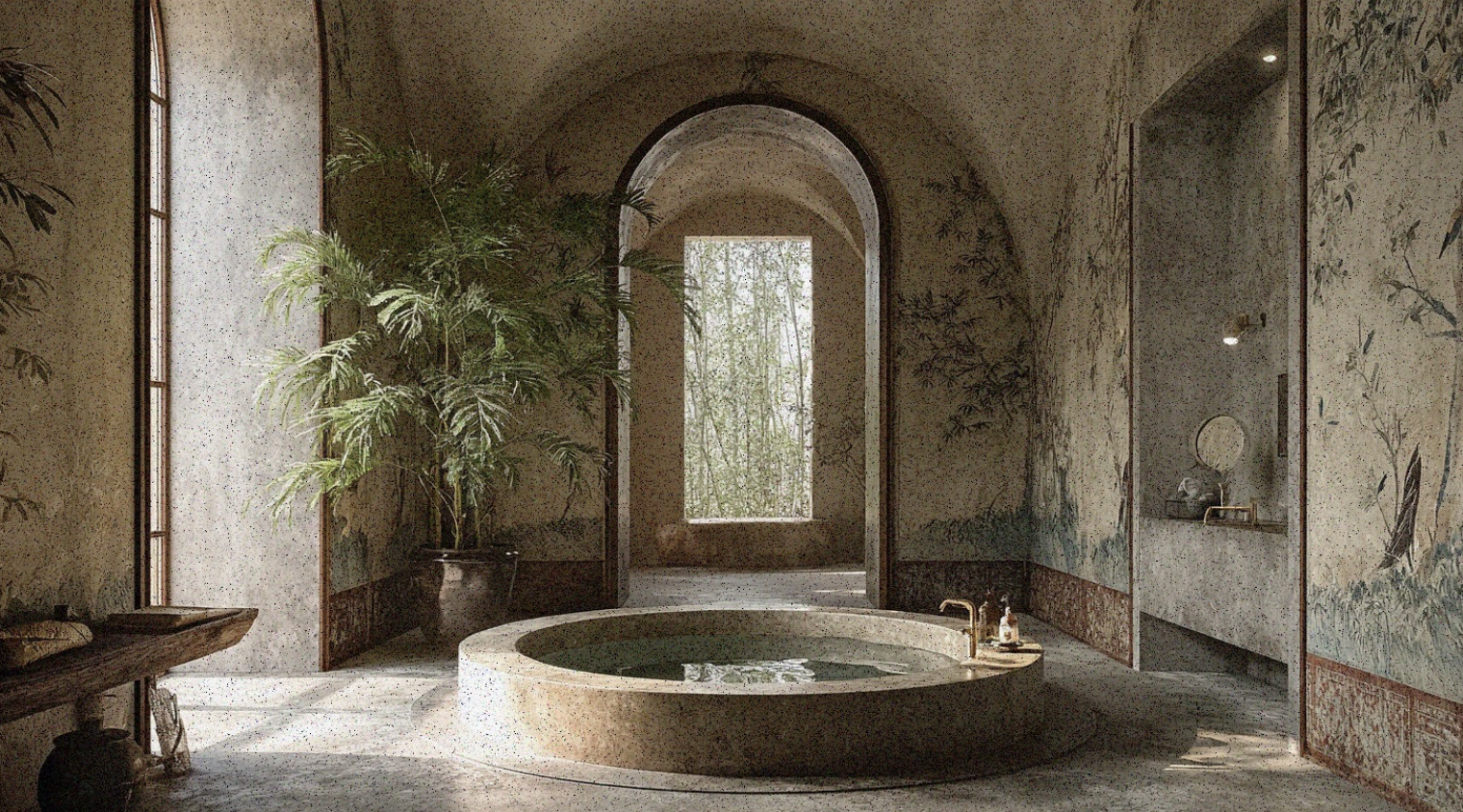
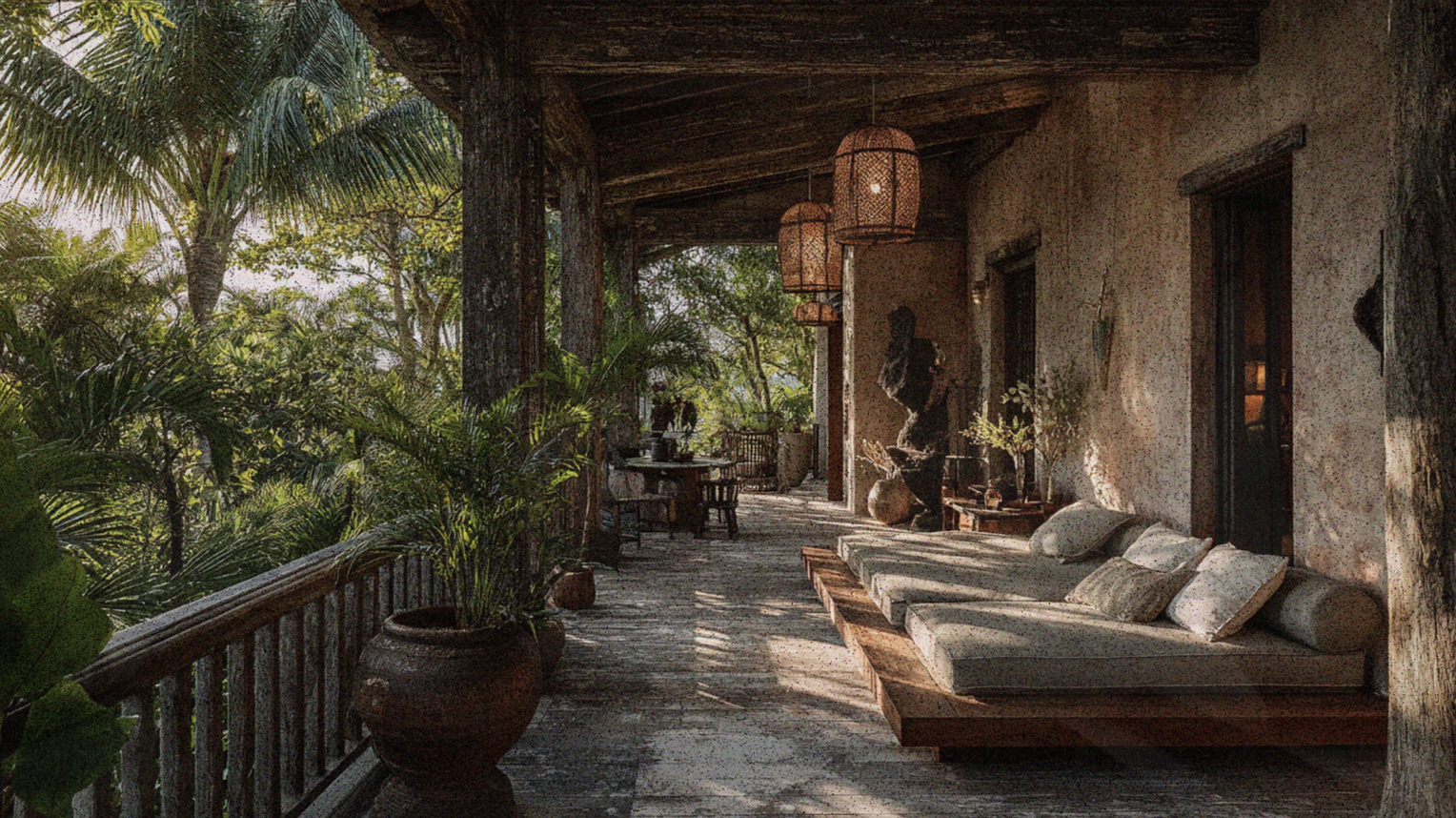
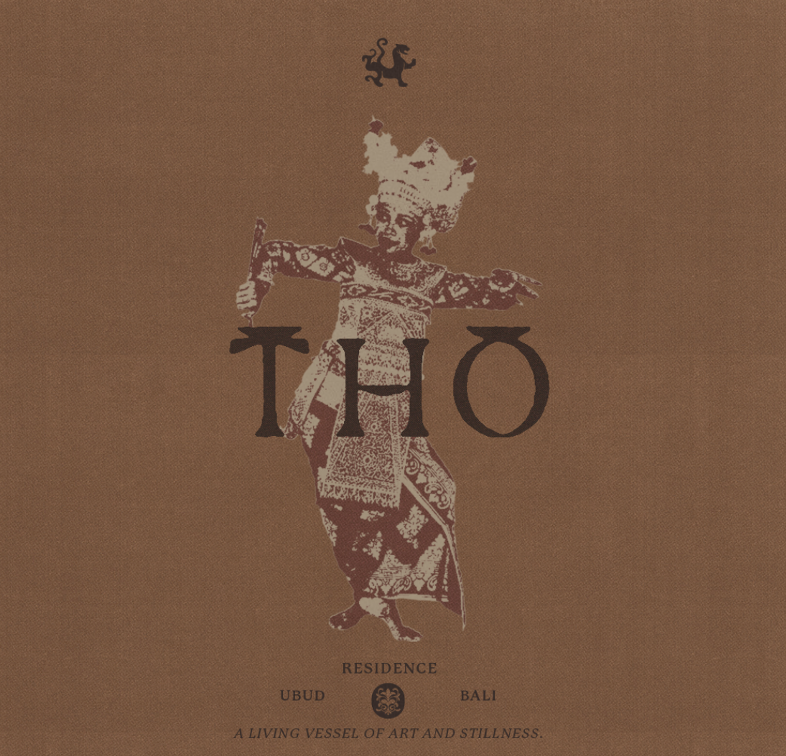
Set on a river cliff within the mystic jungle of Ubud, THŌ Residence occupies a former artist’s house and reinterprets it as a bridge between past intention and future becoming.
The project does not impose a new identity, but listens to what the place has been and what it is quietly asking to be.
Architecture unfolds through a restrained dialogue with Balinese spatial principles and Indonesian craft traditions, allowing the residence to remain rooted in its cultural and geographic context.
Rather than seeking contrast, the intervention works through continuity, refinement, and measured transformation.

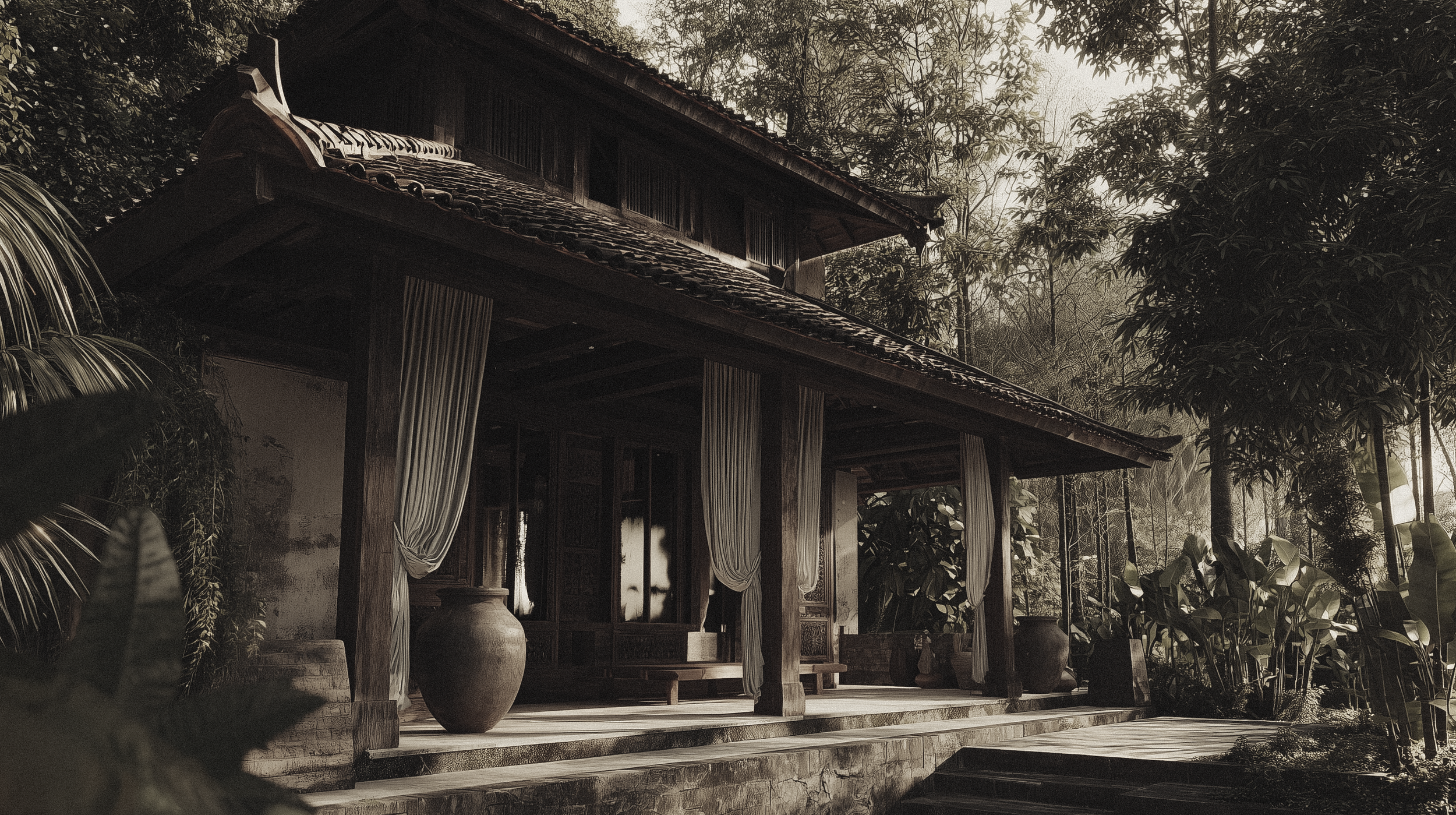
The residence is conceived as a shelter for inspiration.
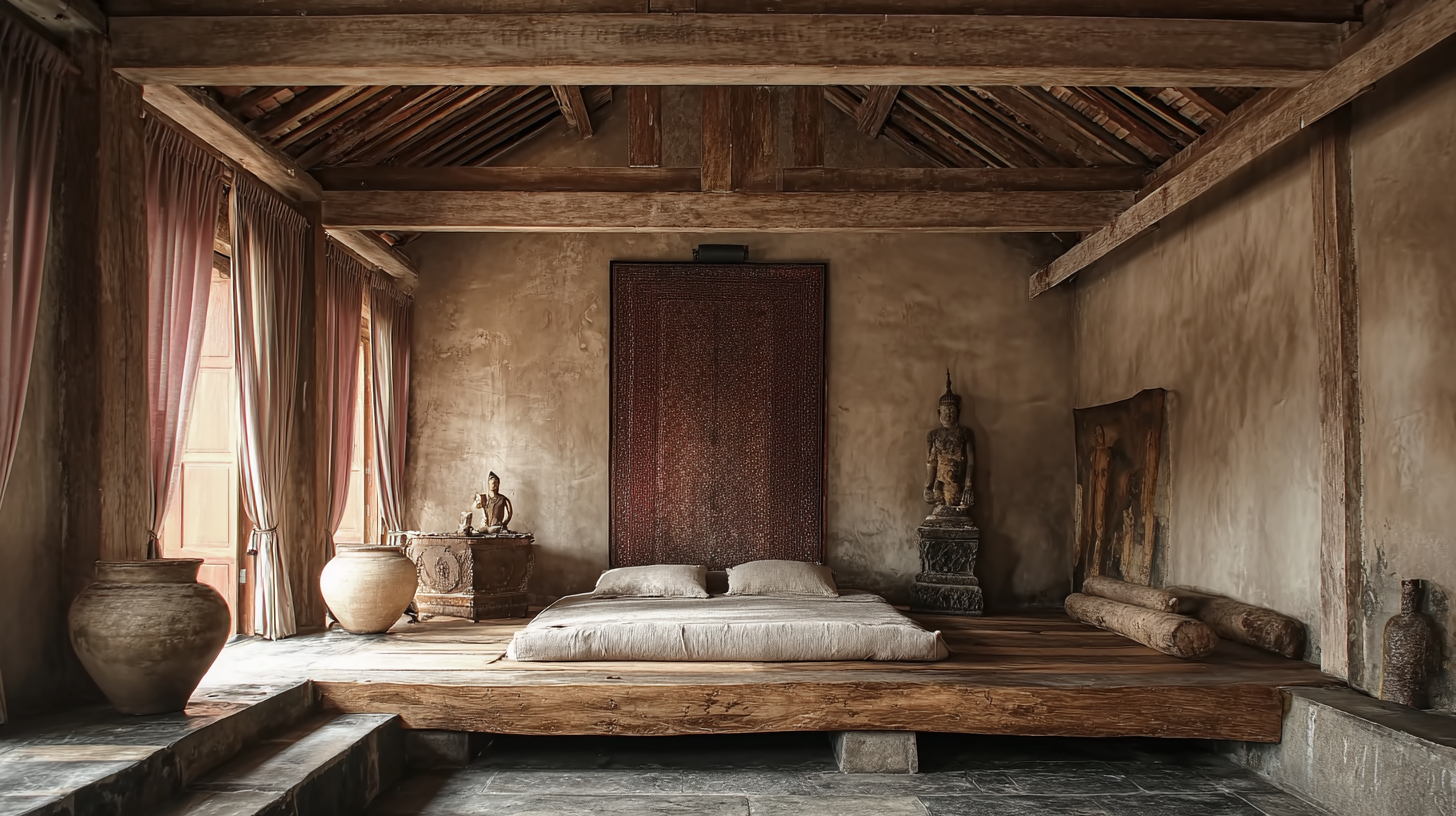
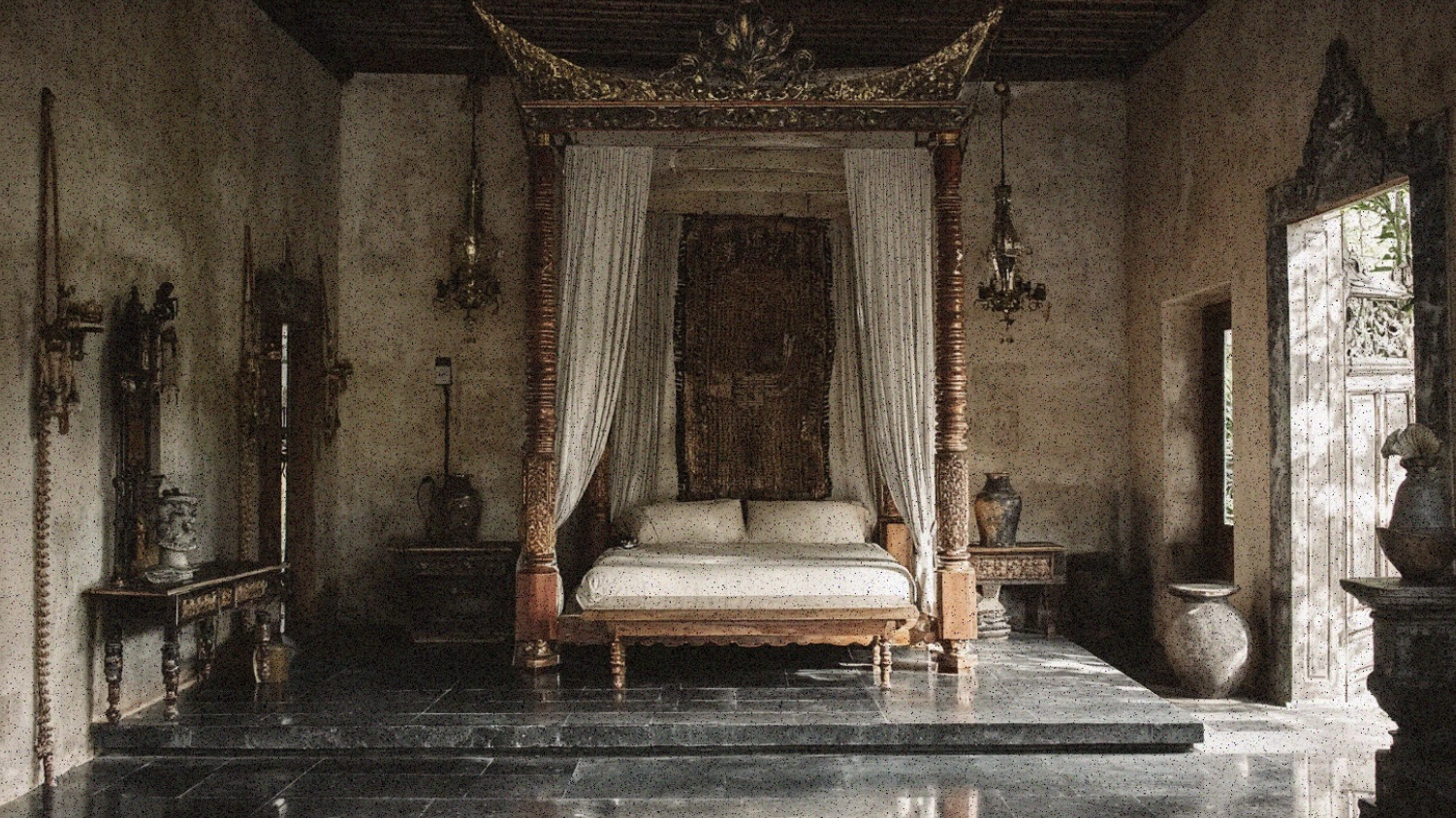
Delicate limestone walls and reclaimed wood surfaces form a calm architectural framework, within which a curated collection of artistic objects from across the Indonesian archipelago is housed.
Materials are treated as containers of memory, bearing both time and touch.
A space for silence, weight, and presence allowing art, landscape, and daily ritual to coexist in quiet equilibrium
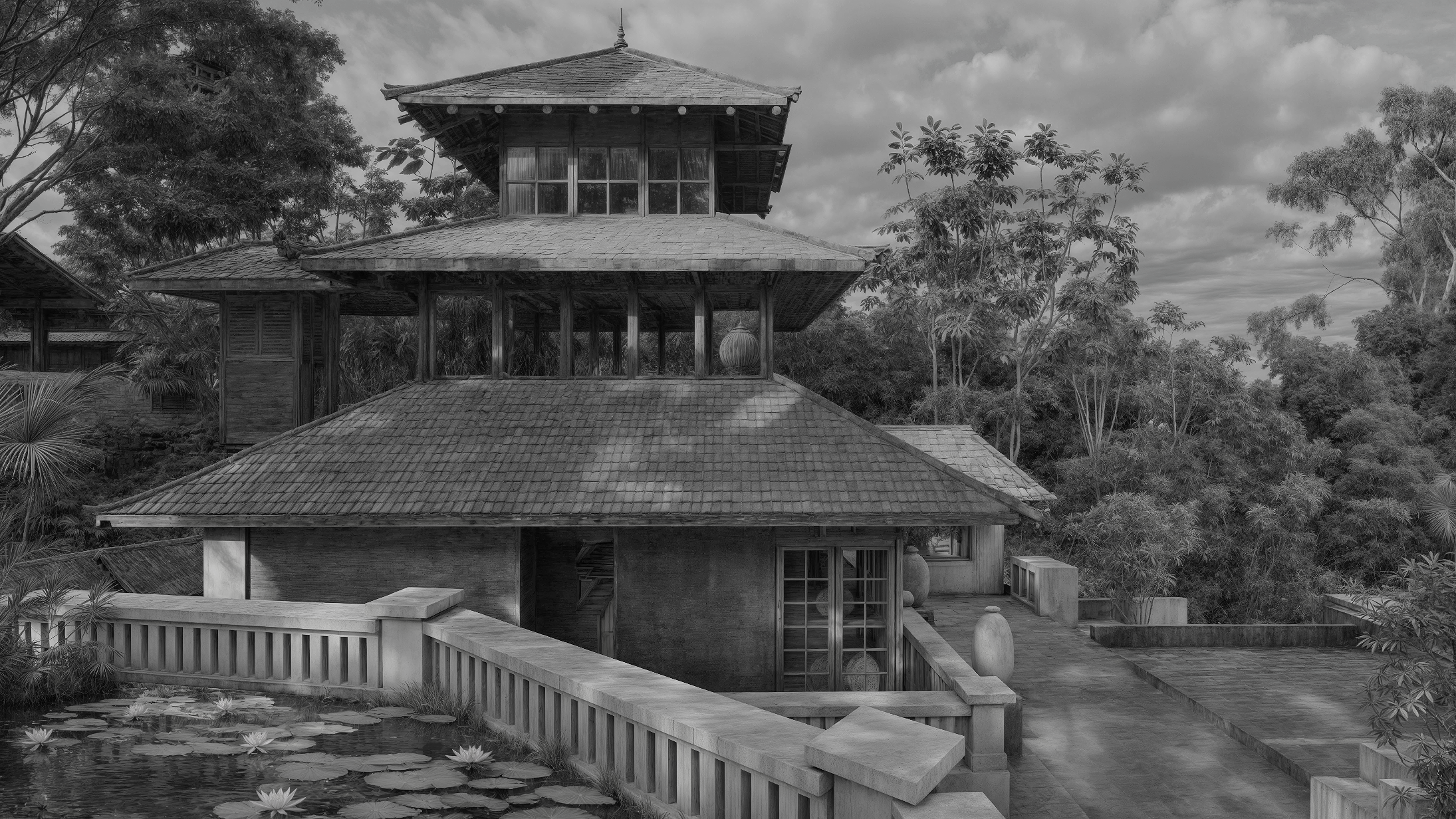
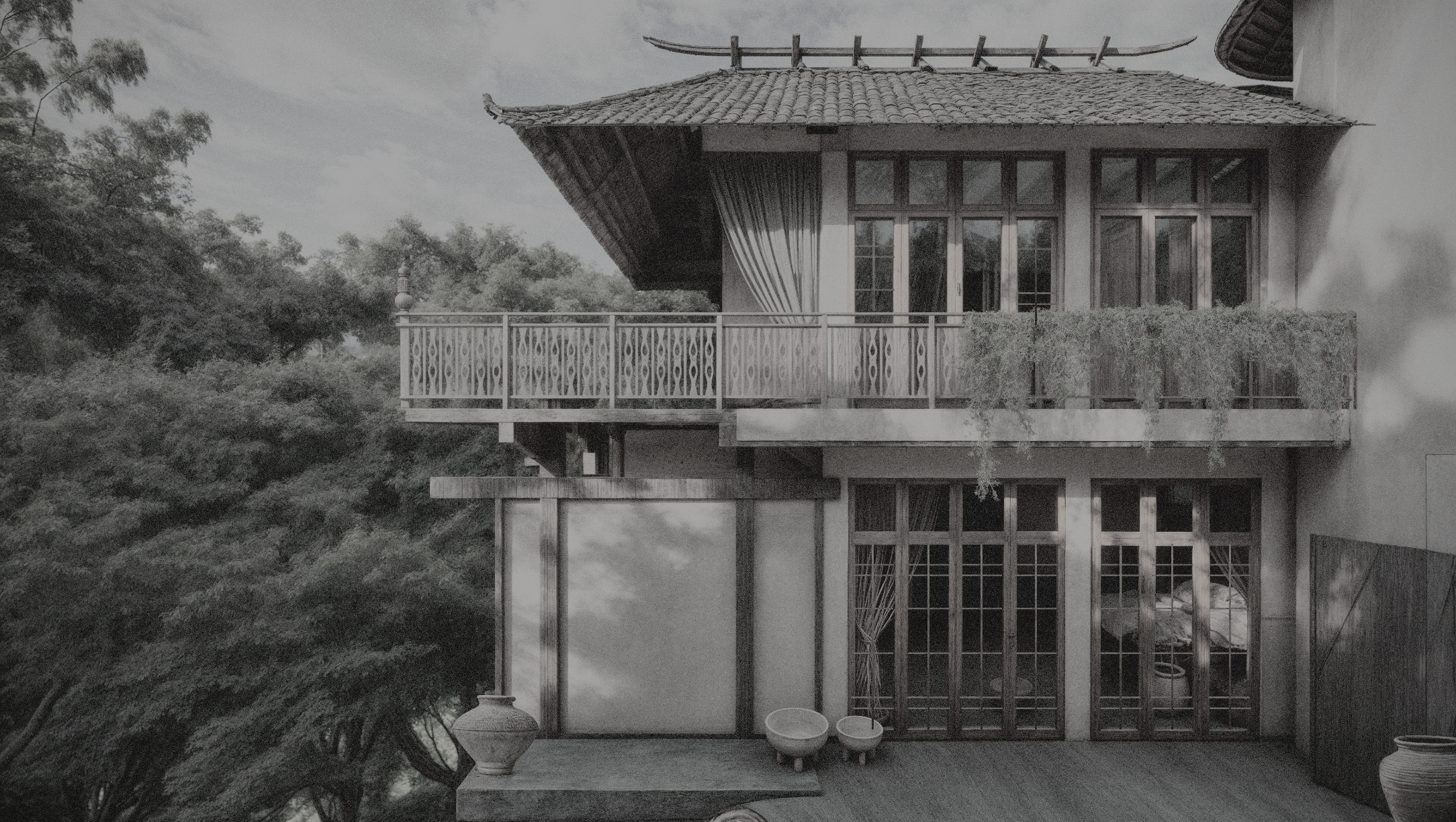

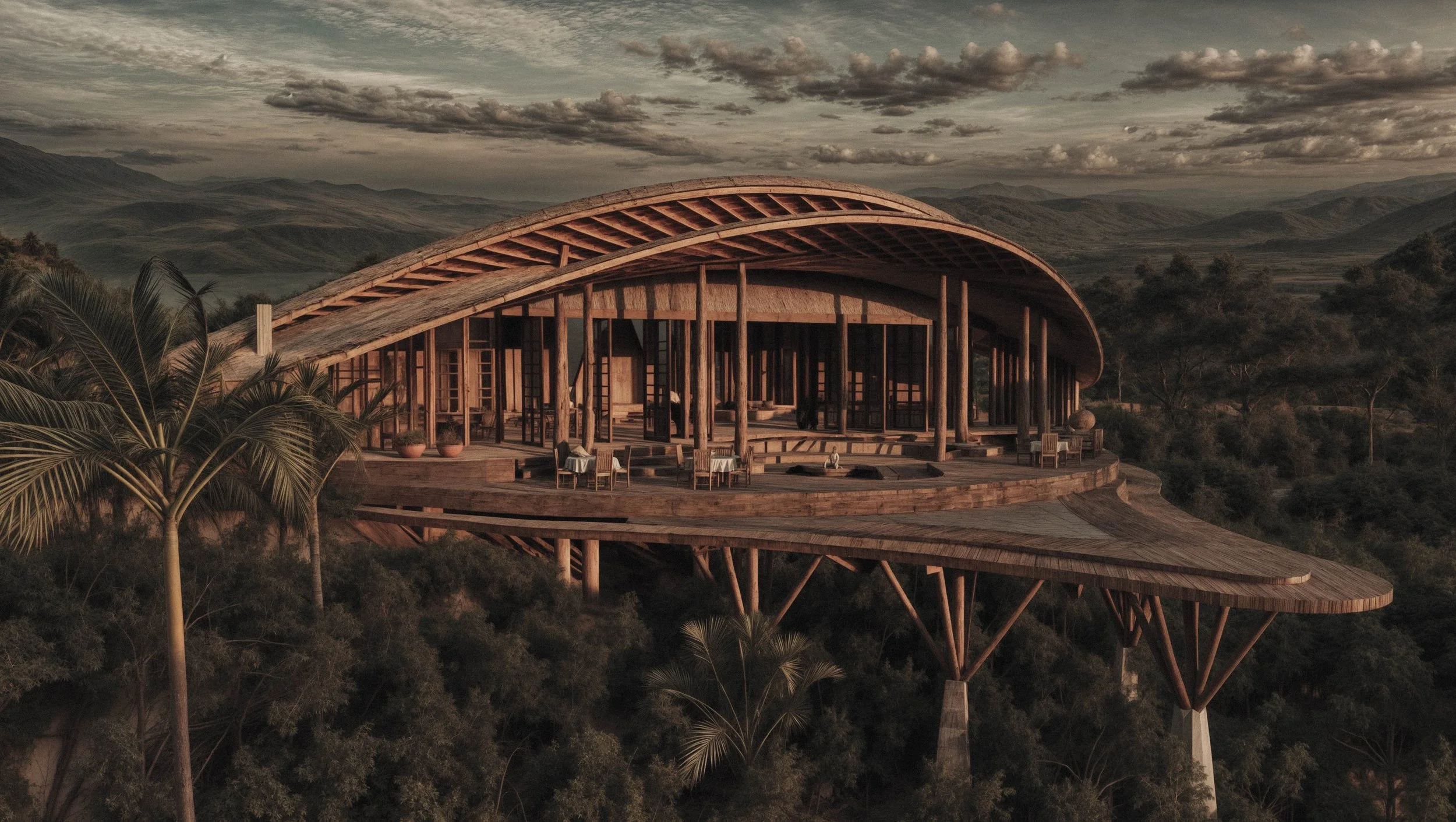
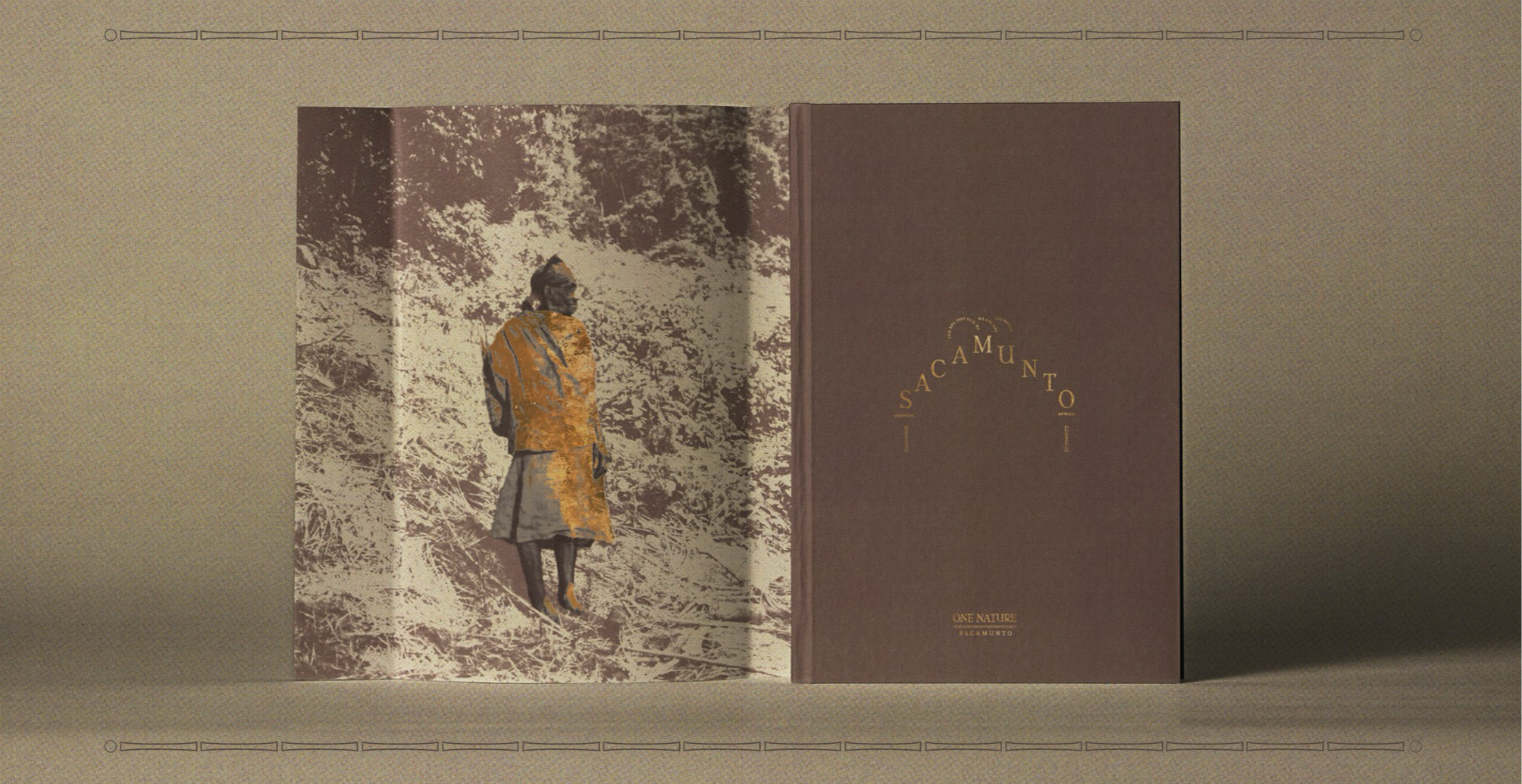
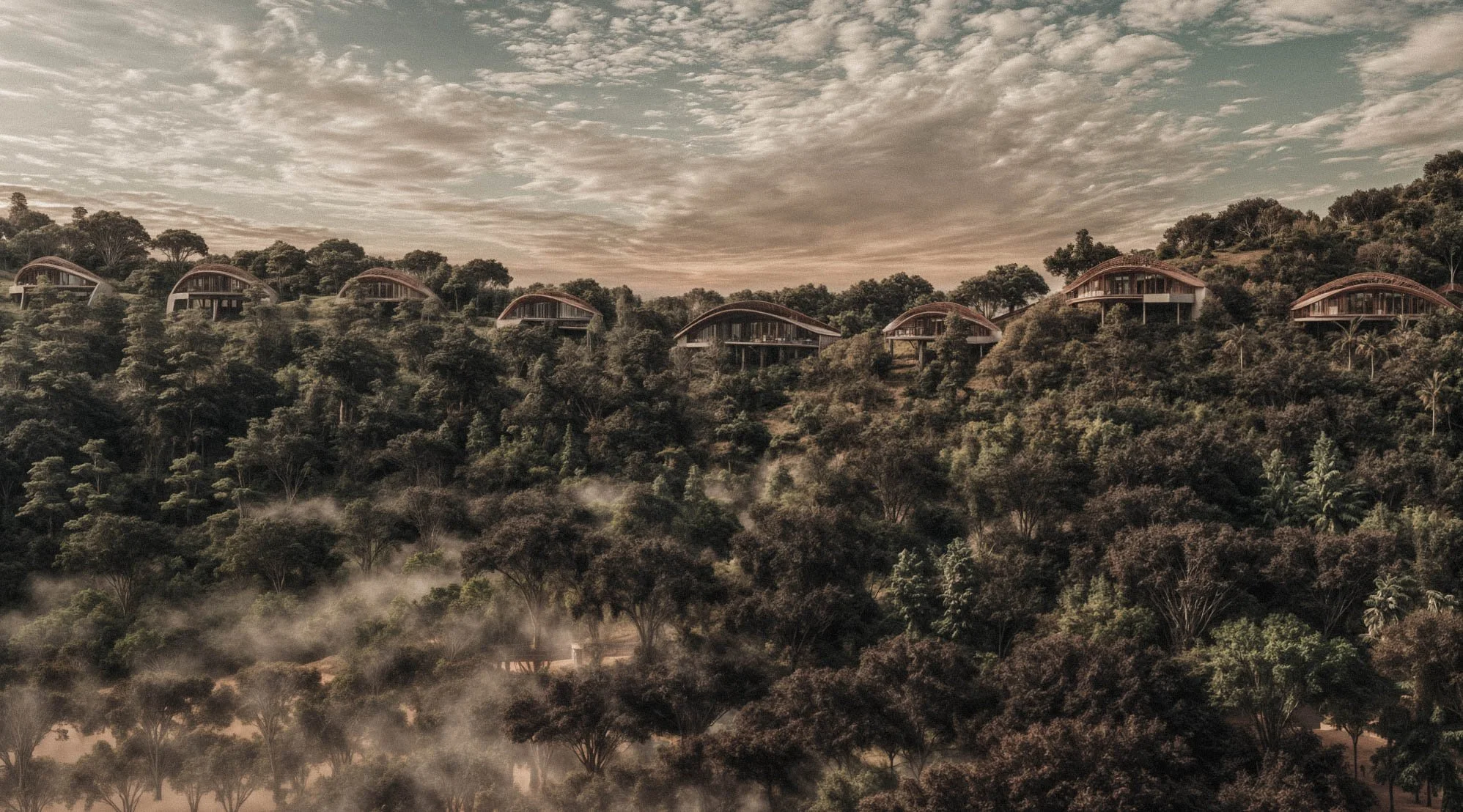
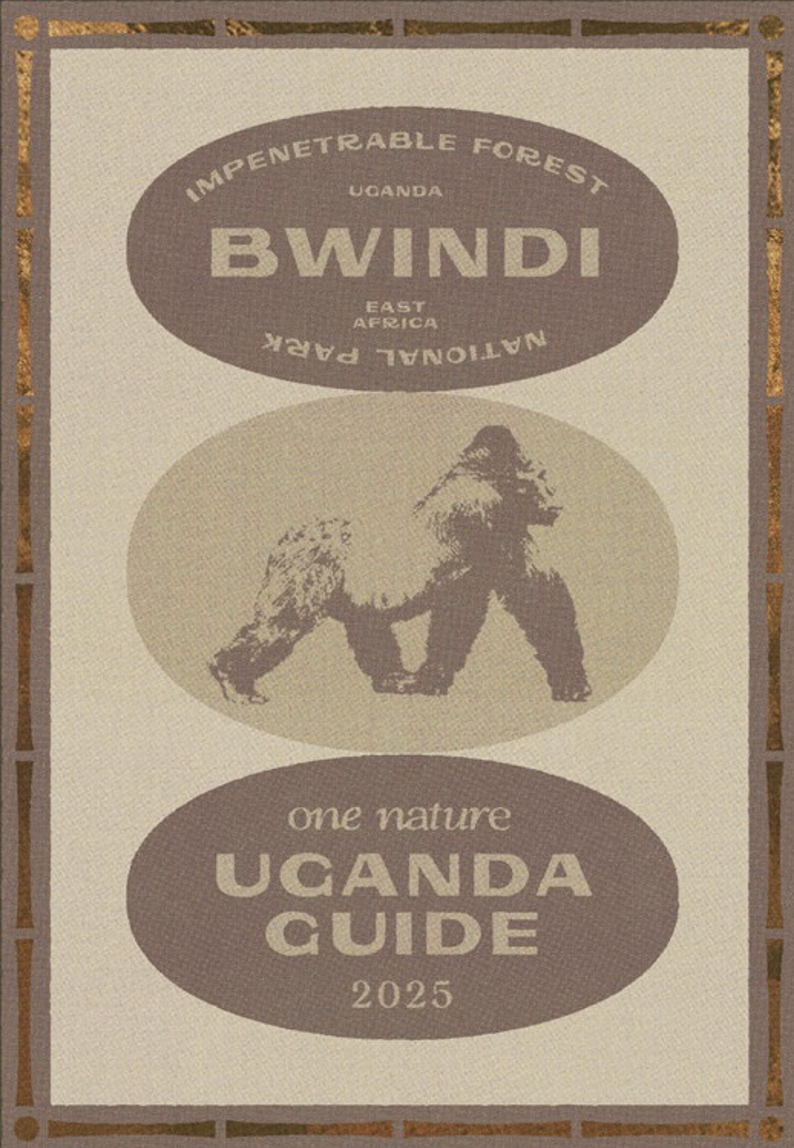
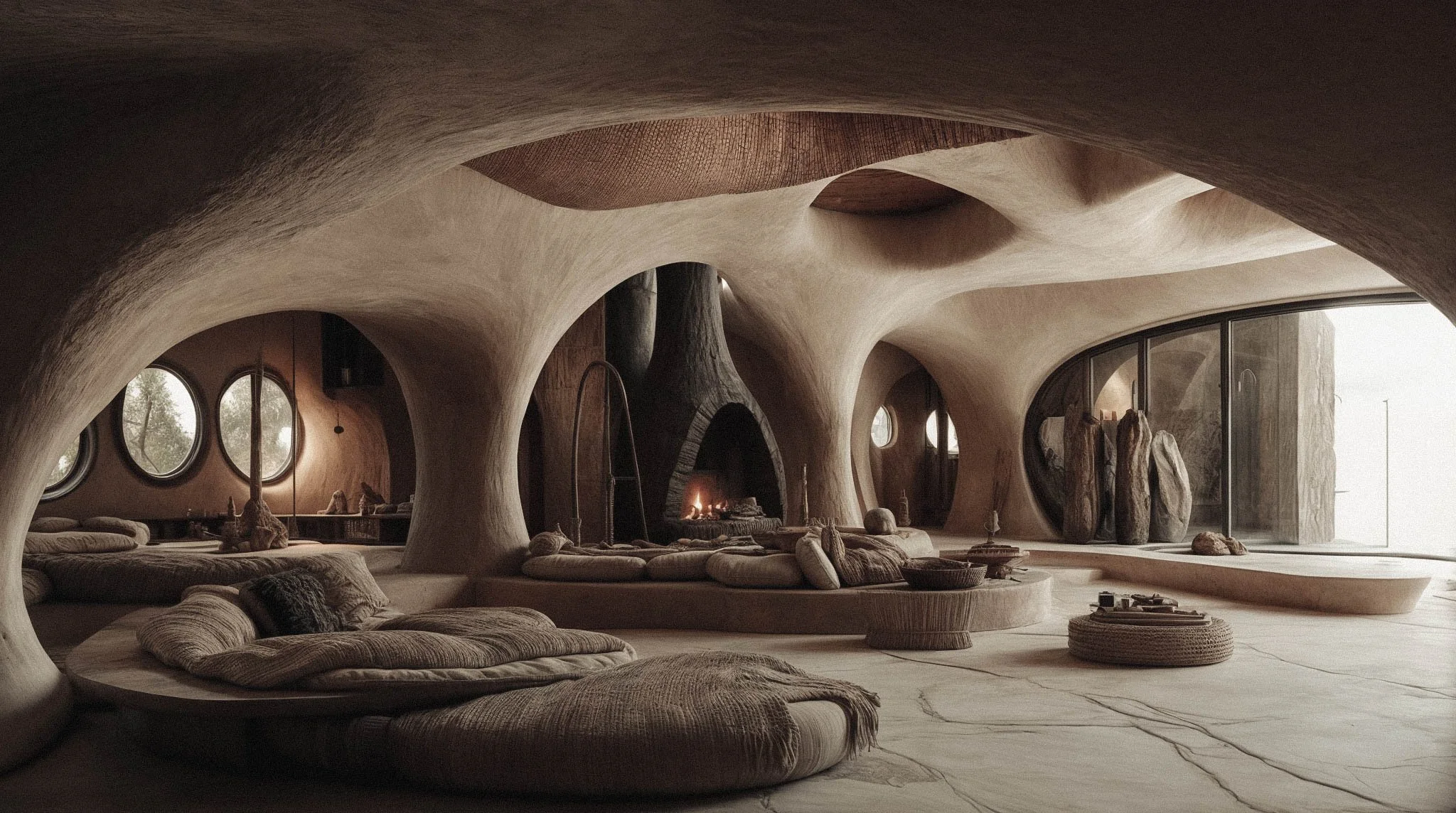
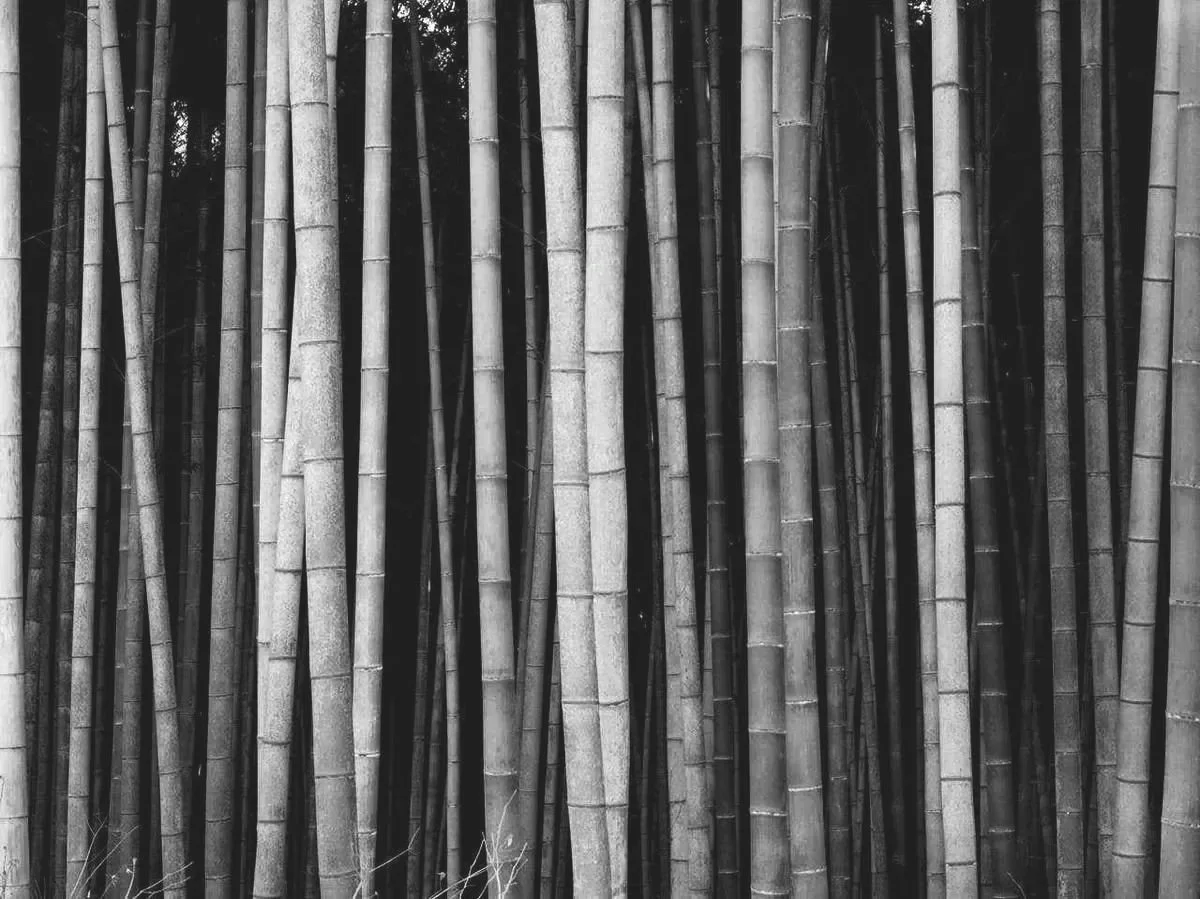
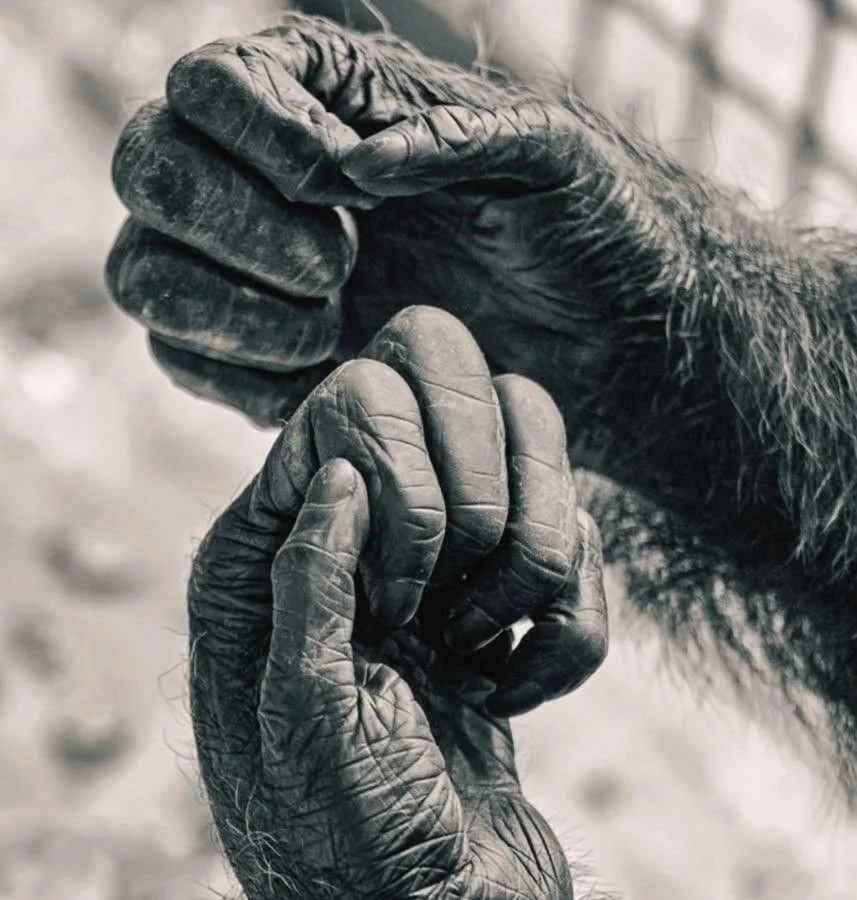
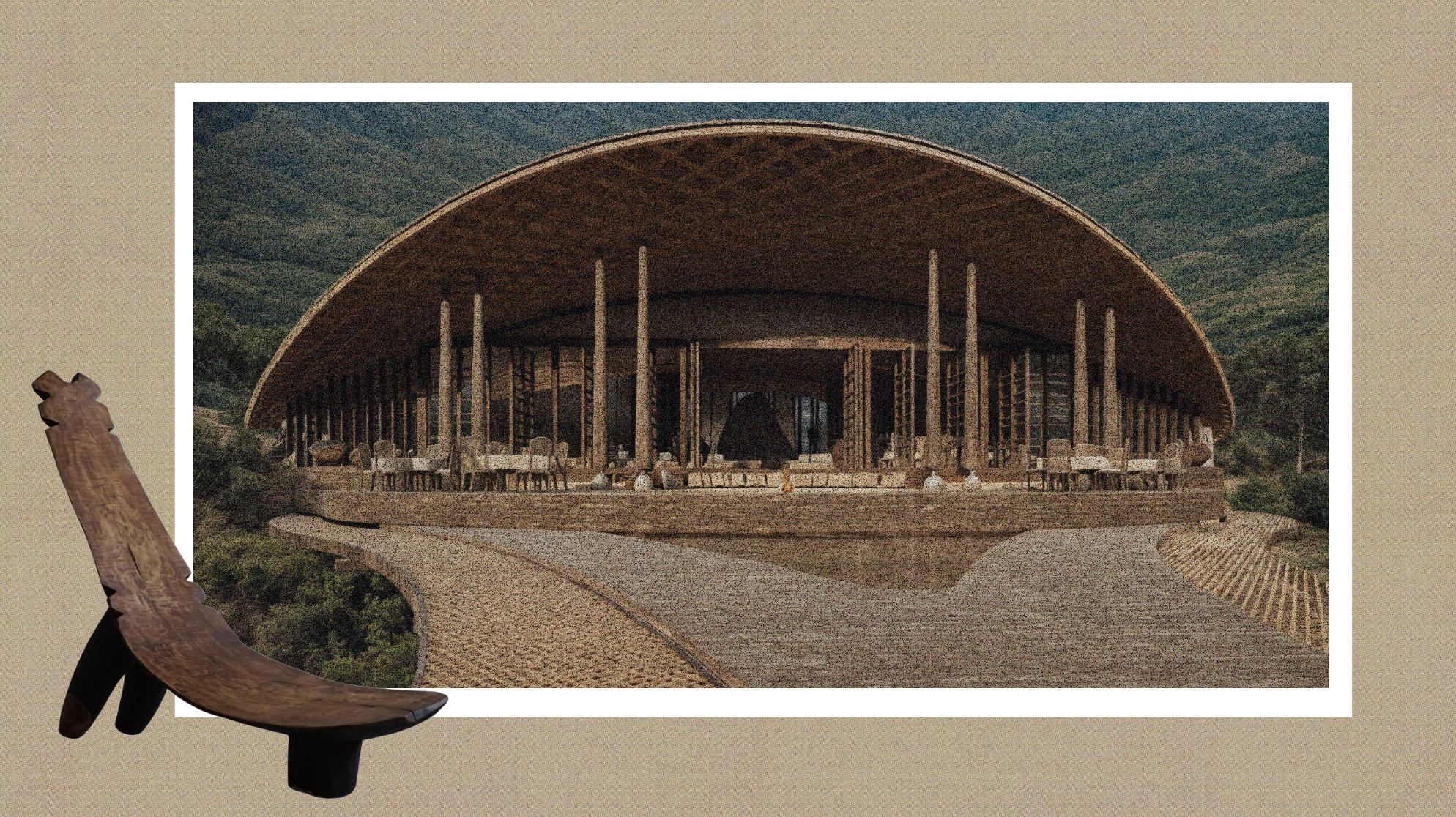
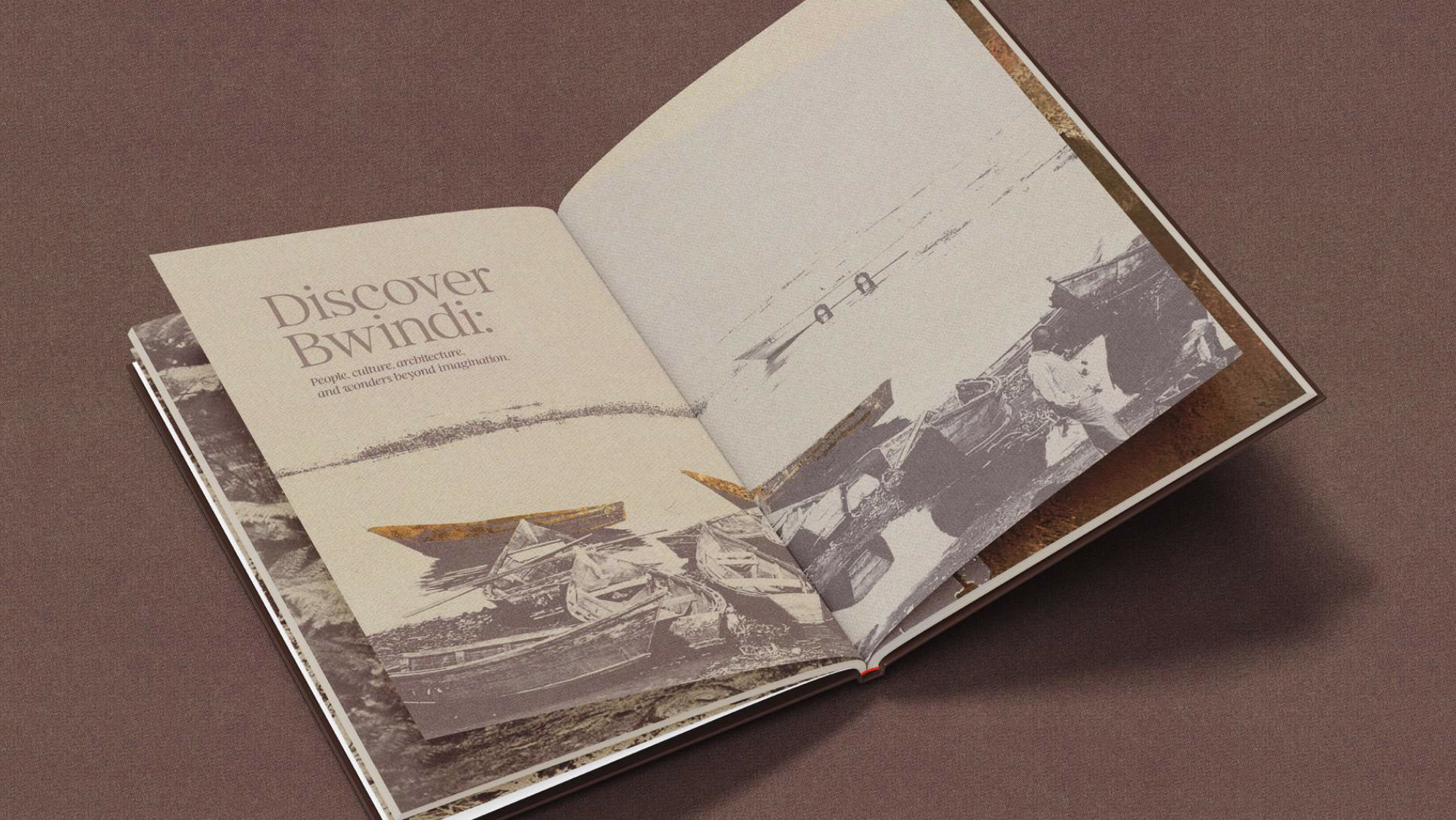
For the Bwindi Impenetrable Forest Gorilla Lodge, the architectural language is developed through a careful study of the ancestral Bawa culture.
Its spatial principles, material logic, and relationship to landscape inform a refined architectural expression.
Through measured restraint and formal clarity, vernacular knowledge is translated into a sophisticated contemporary framework, allowing architecture to remain in continuity with the spirit of the ancient forest.
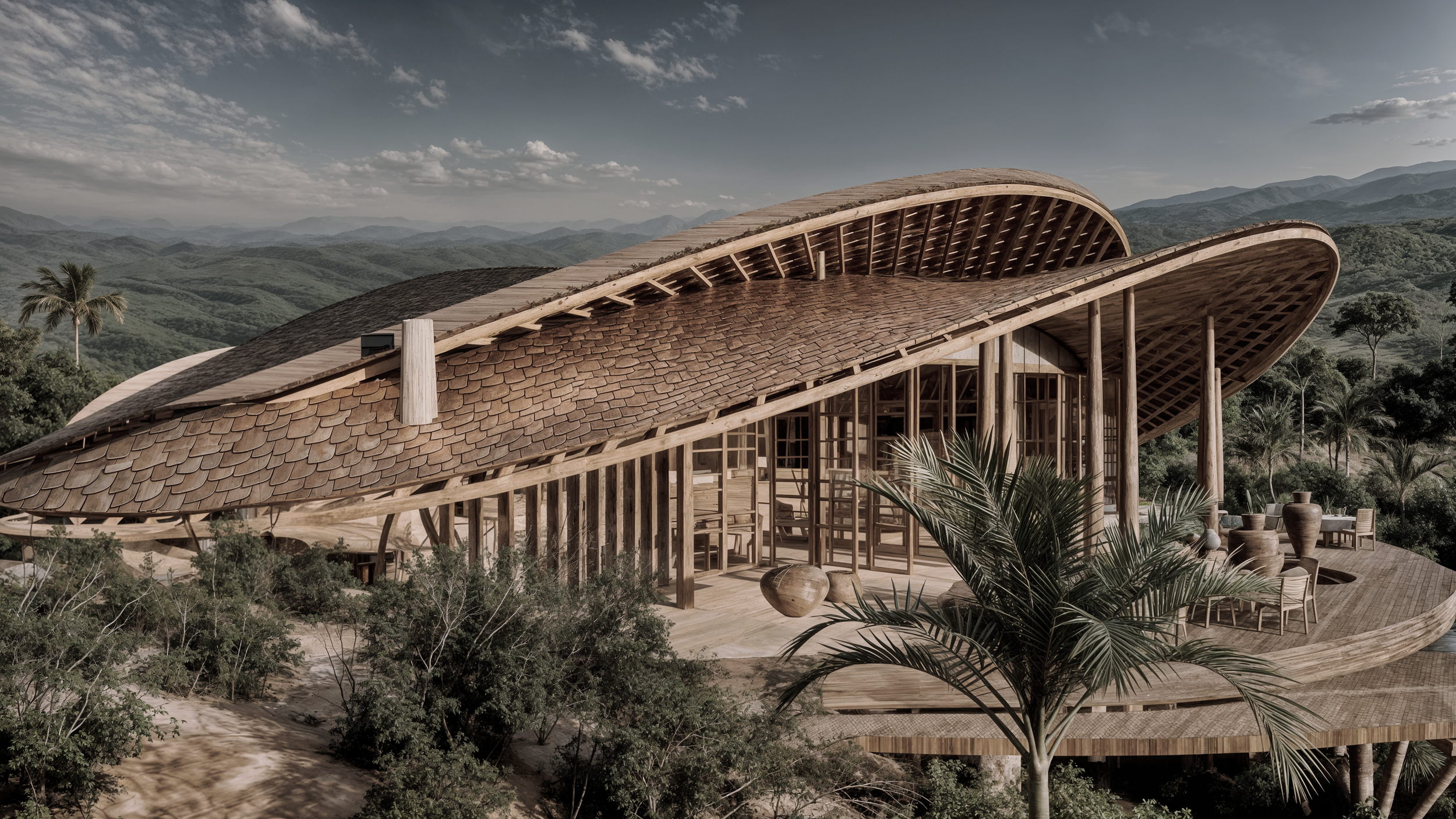
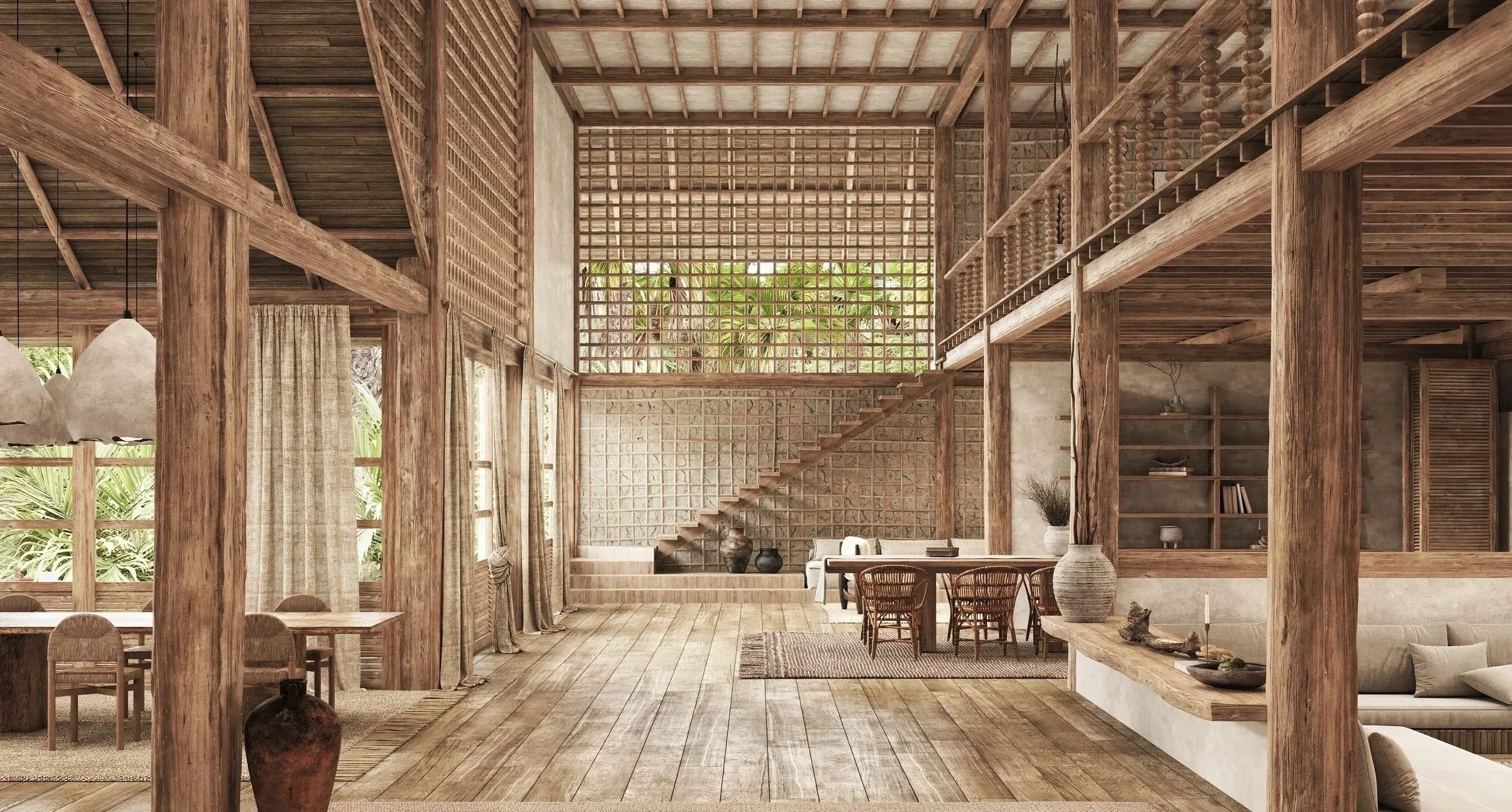
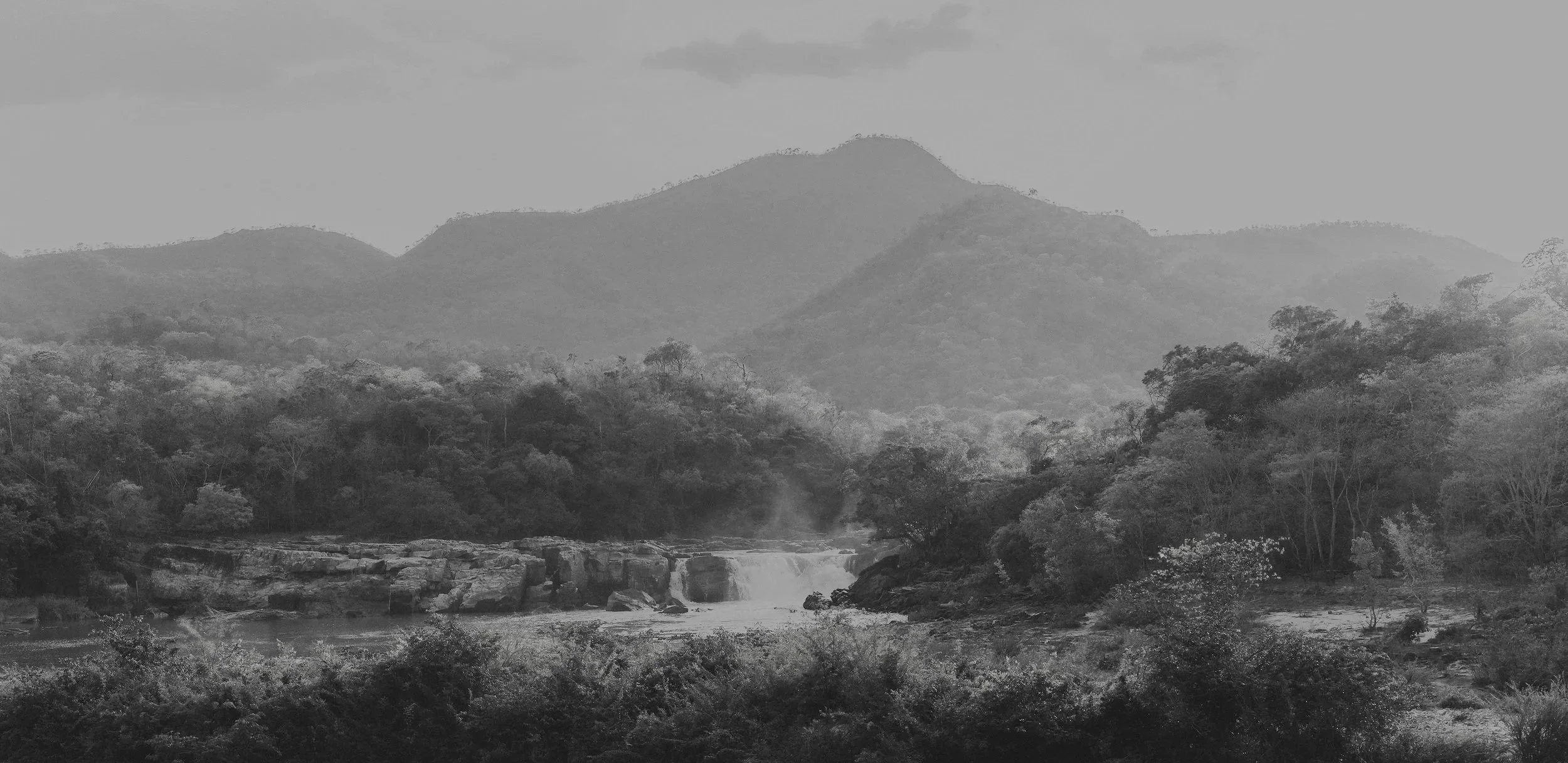
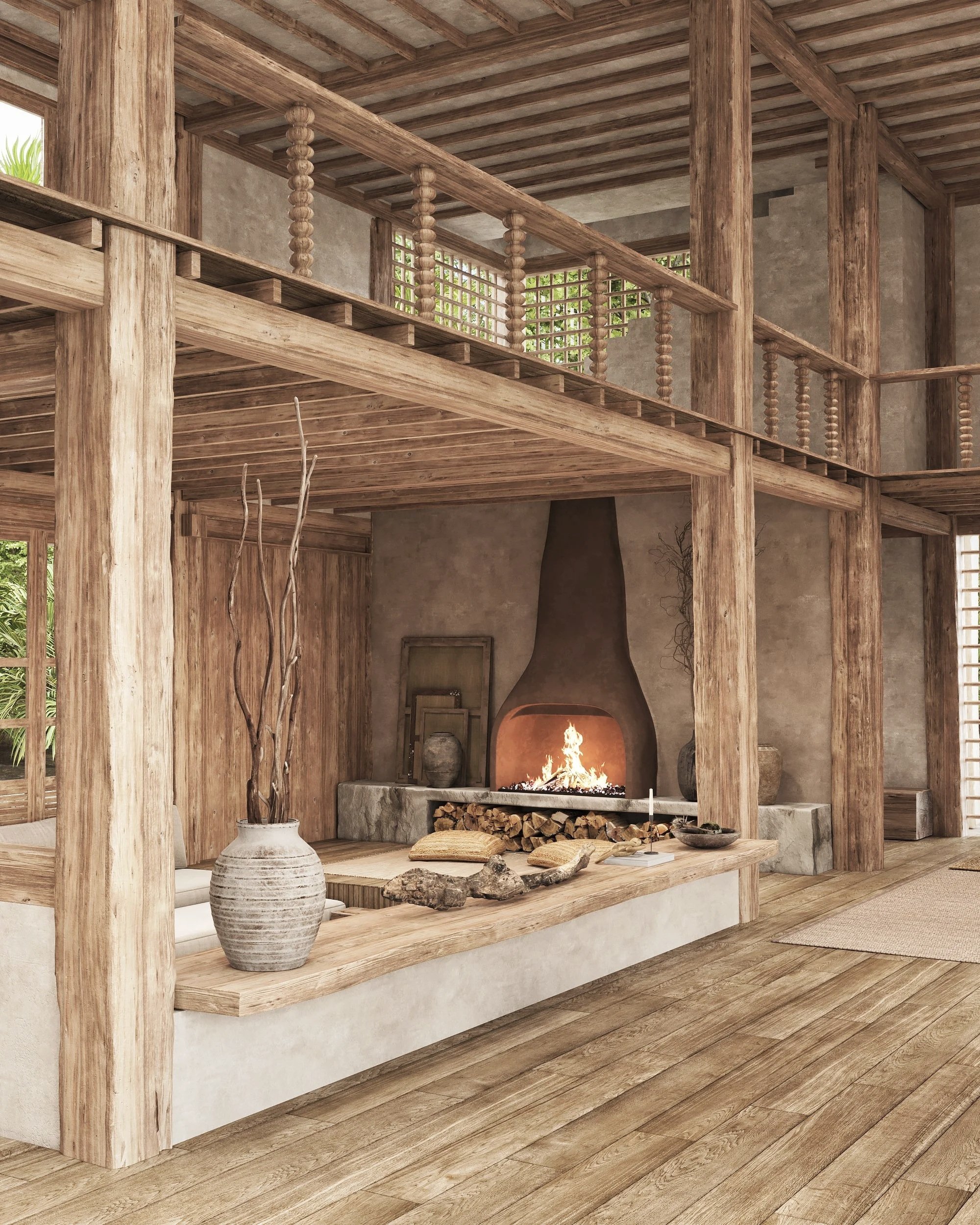
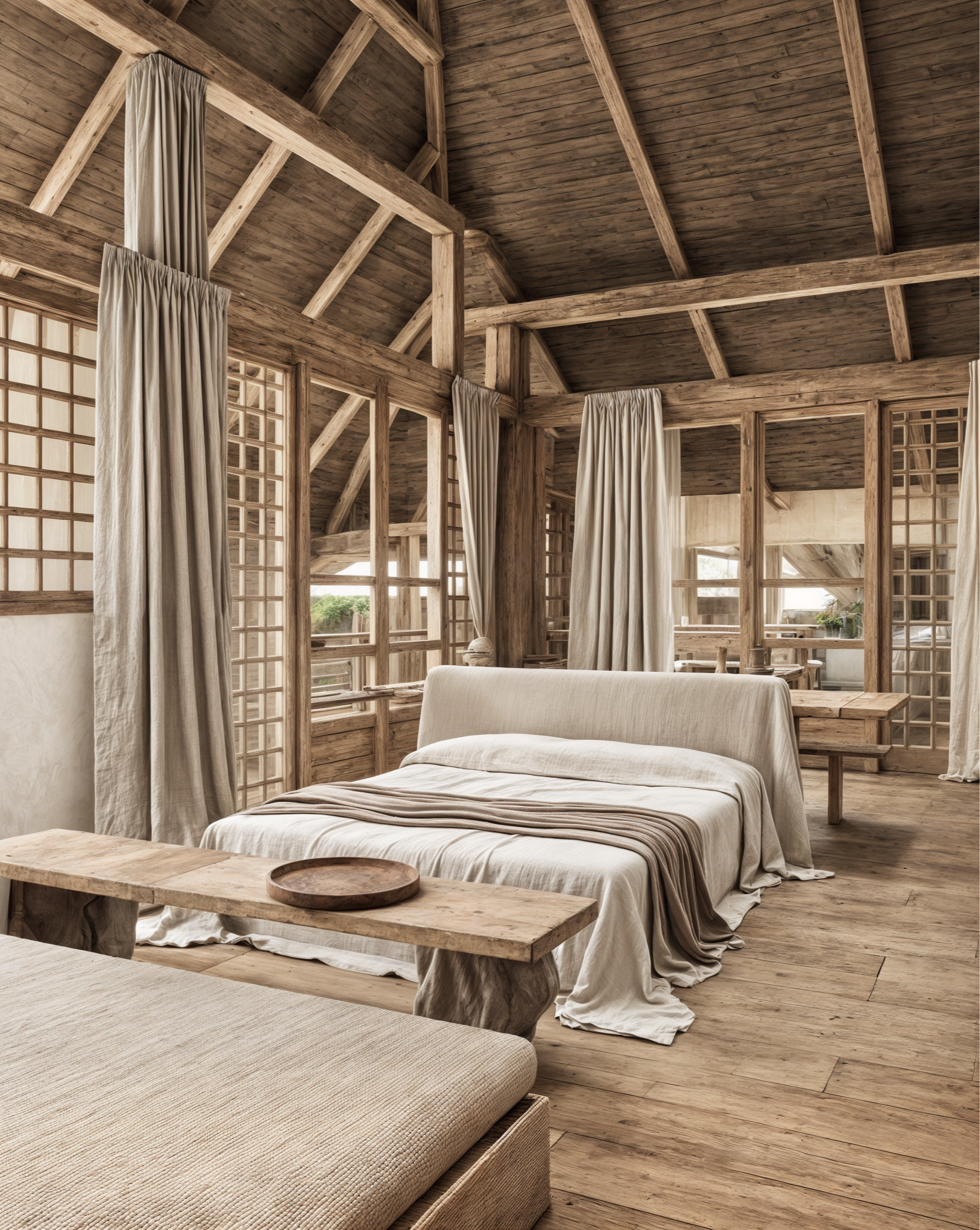
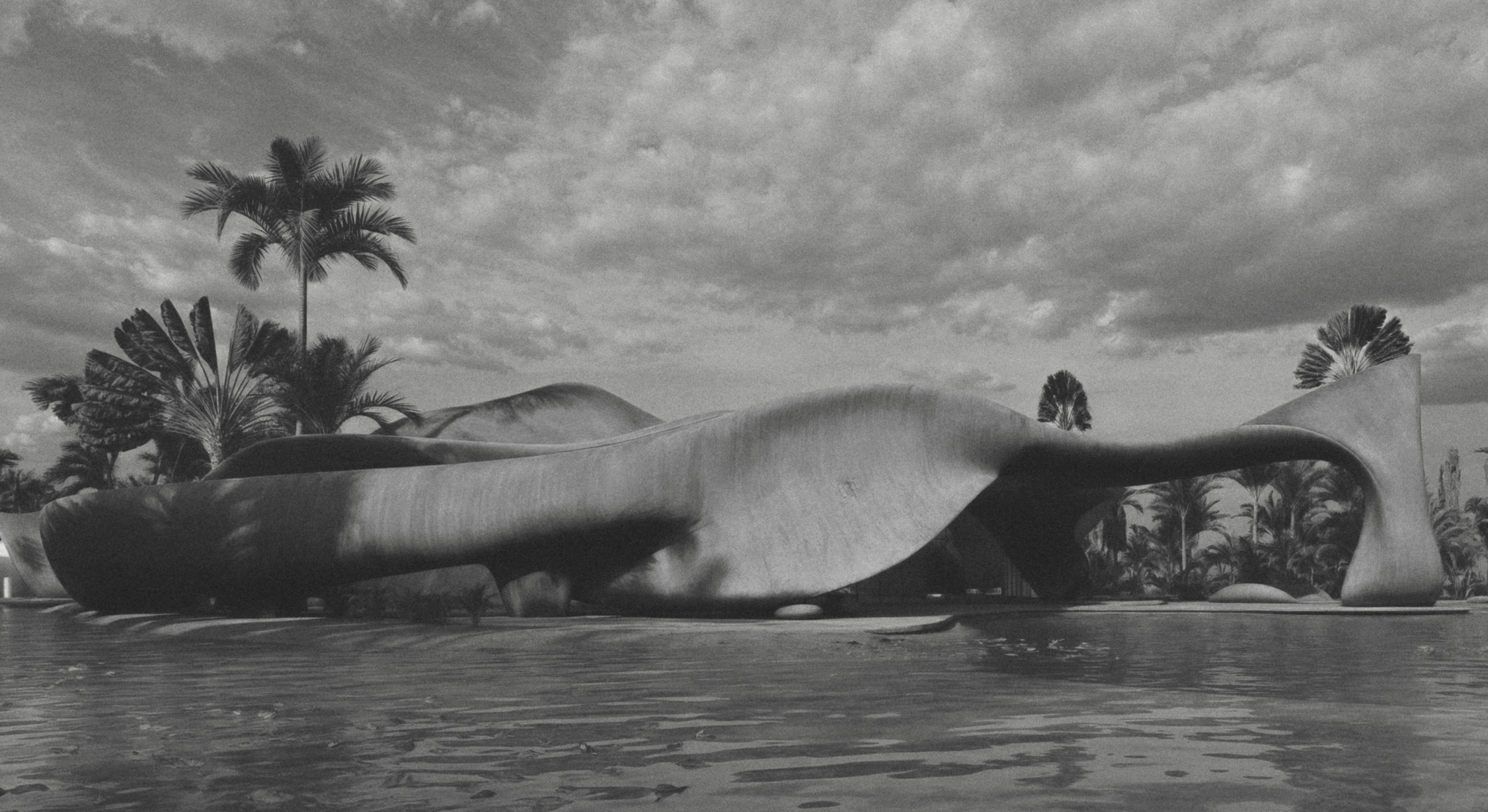
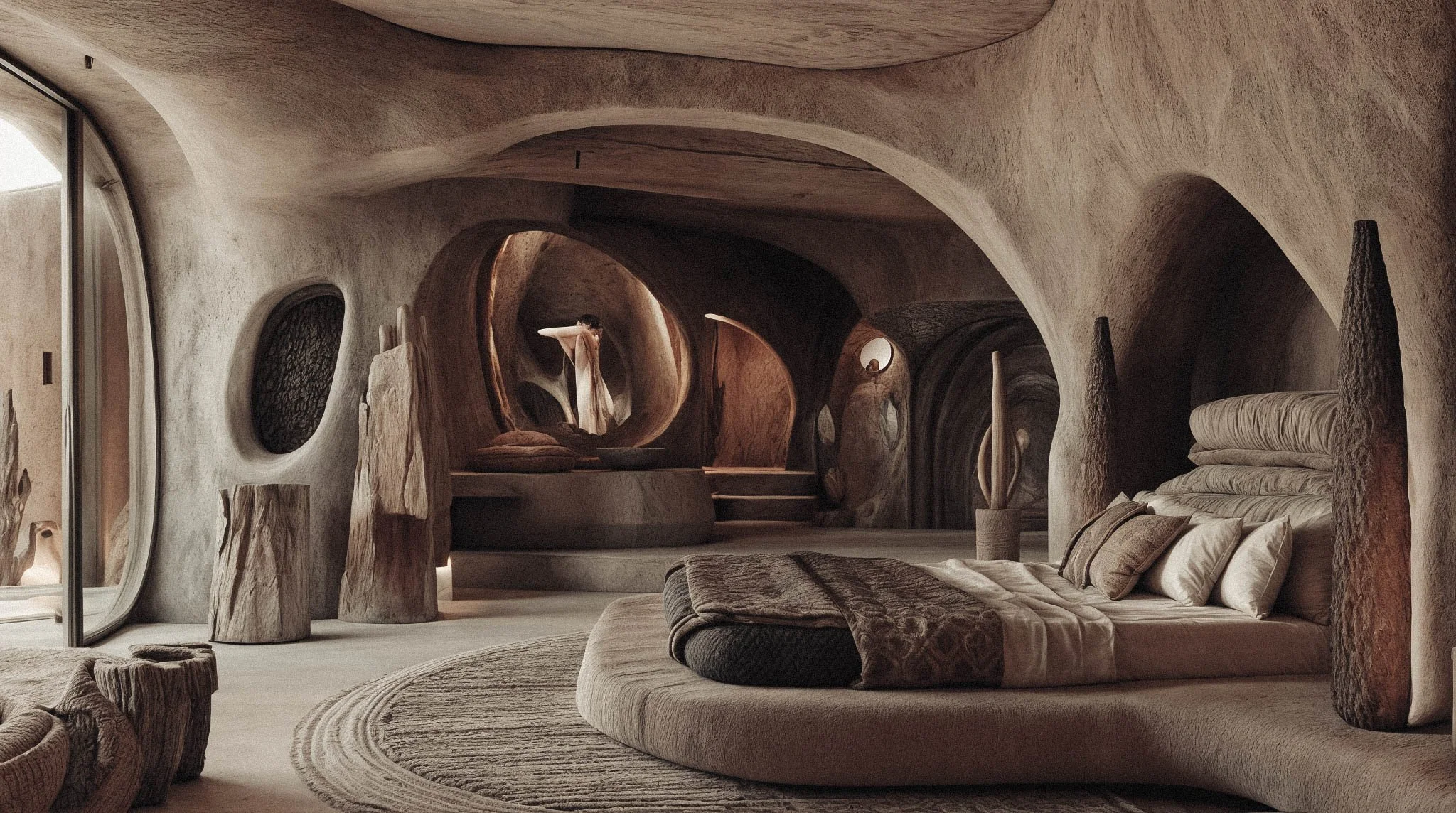
The HŌM project translates Brazil’s layered traditions; from Kalunga ancestry to vernacular colonial expression into a refined architectural language grounded in construction logic.
Spatial organization, material selection, and structural assembly are informed by these traditions, allowing the process of building to remain visible and formative.
Rather than concealing construction behind finishes, the house expresses architecture through material truth and structural clarity, where walls, surfaces, and details emerge directly from their making.
In this way, architecture becomes a continuous dialogue between technique and memory, establishing a clear continuity with Brazil’s cultural and constructive heritage.
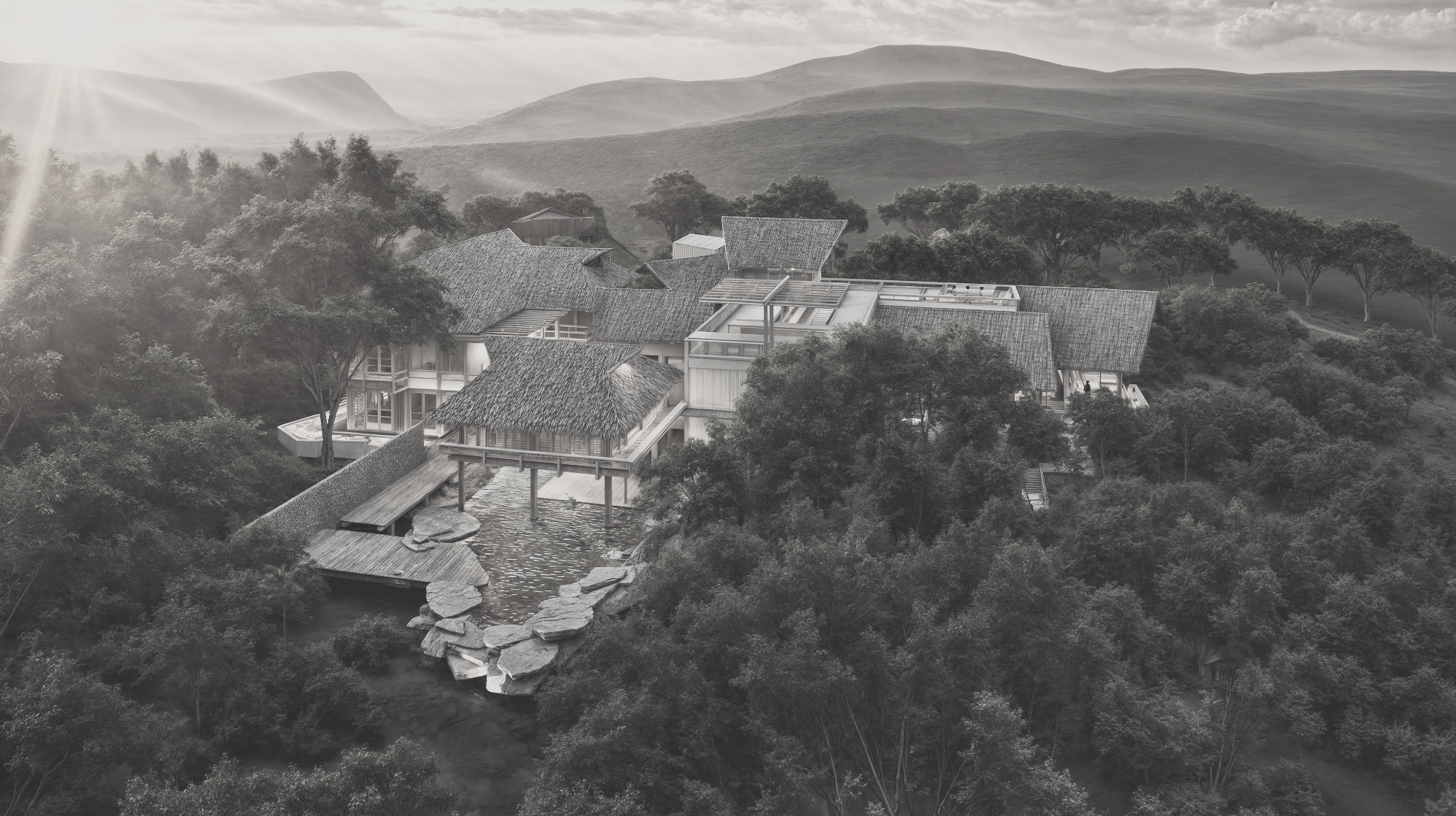
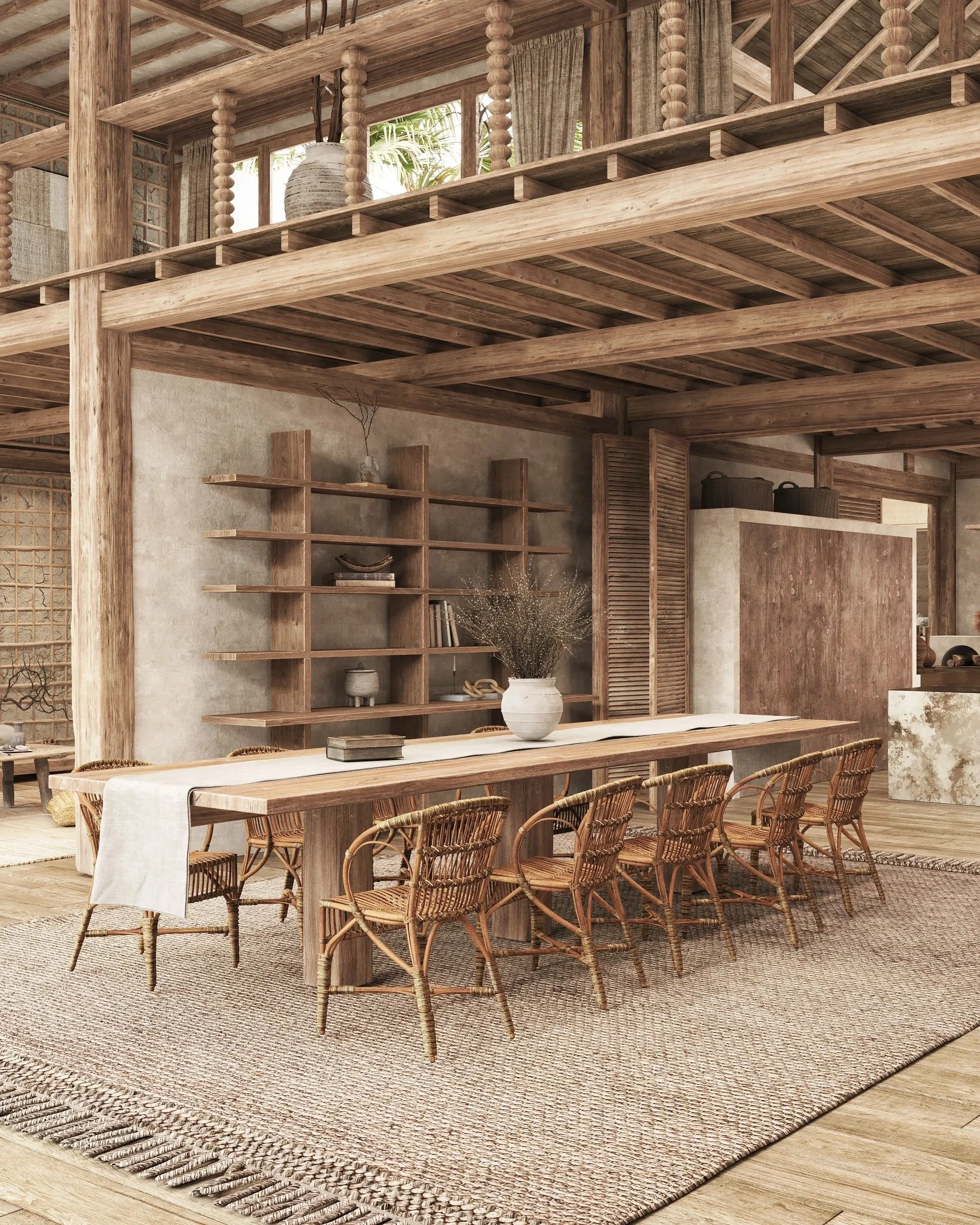
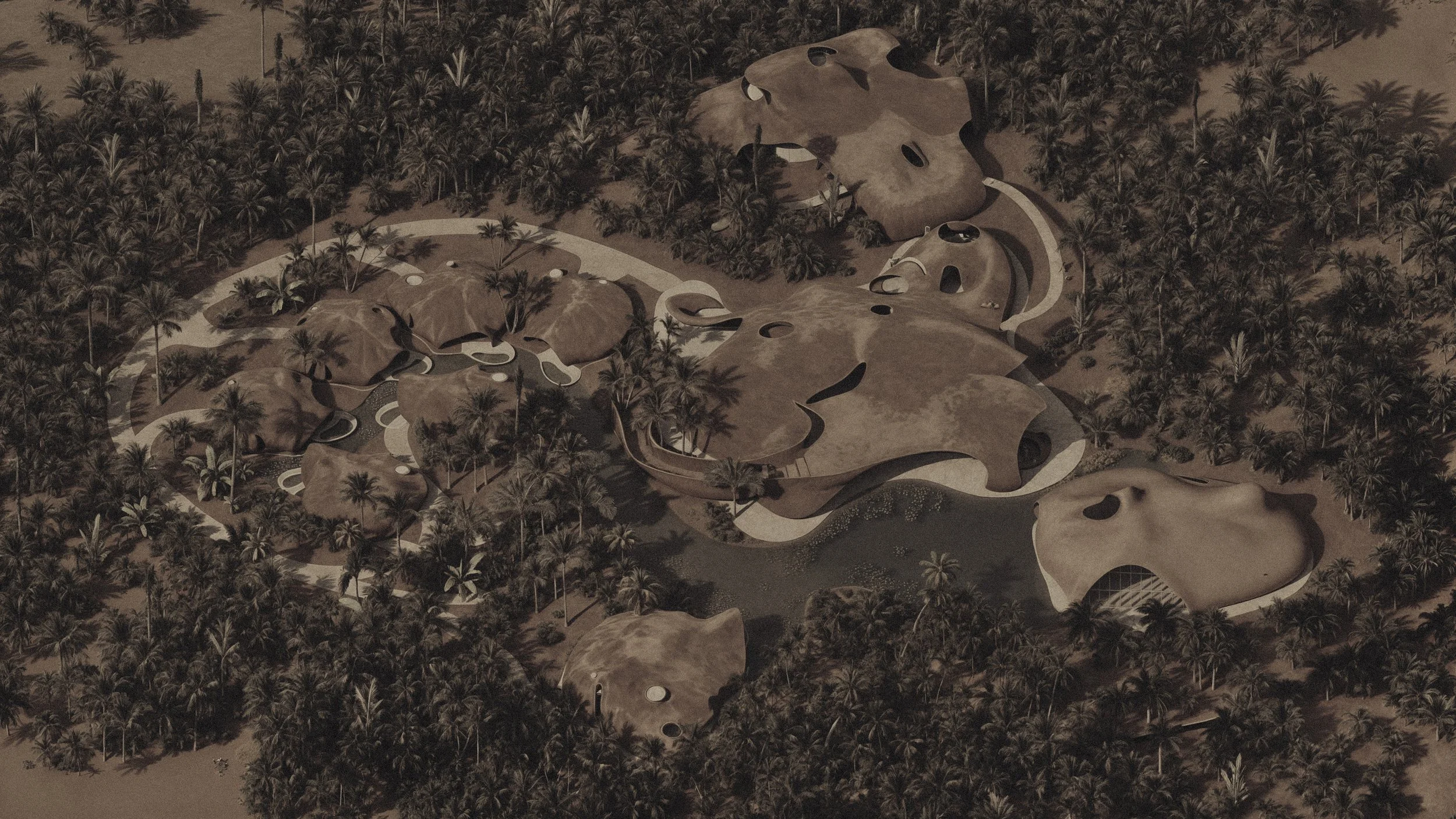
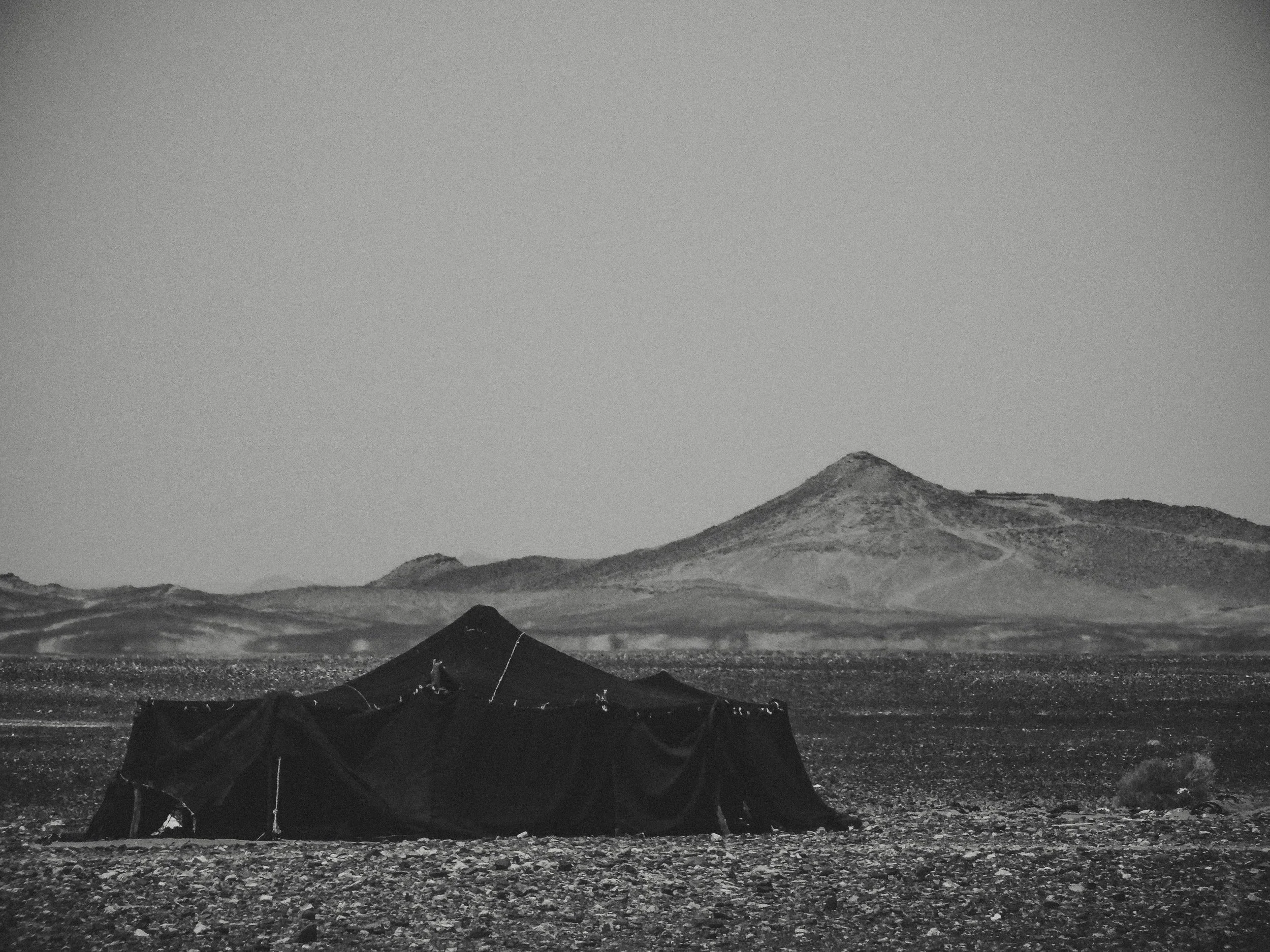
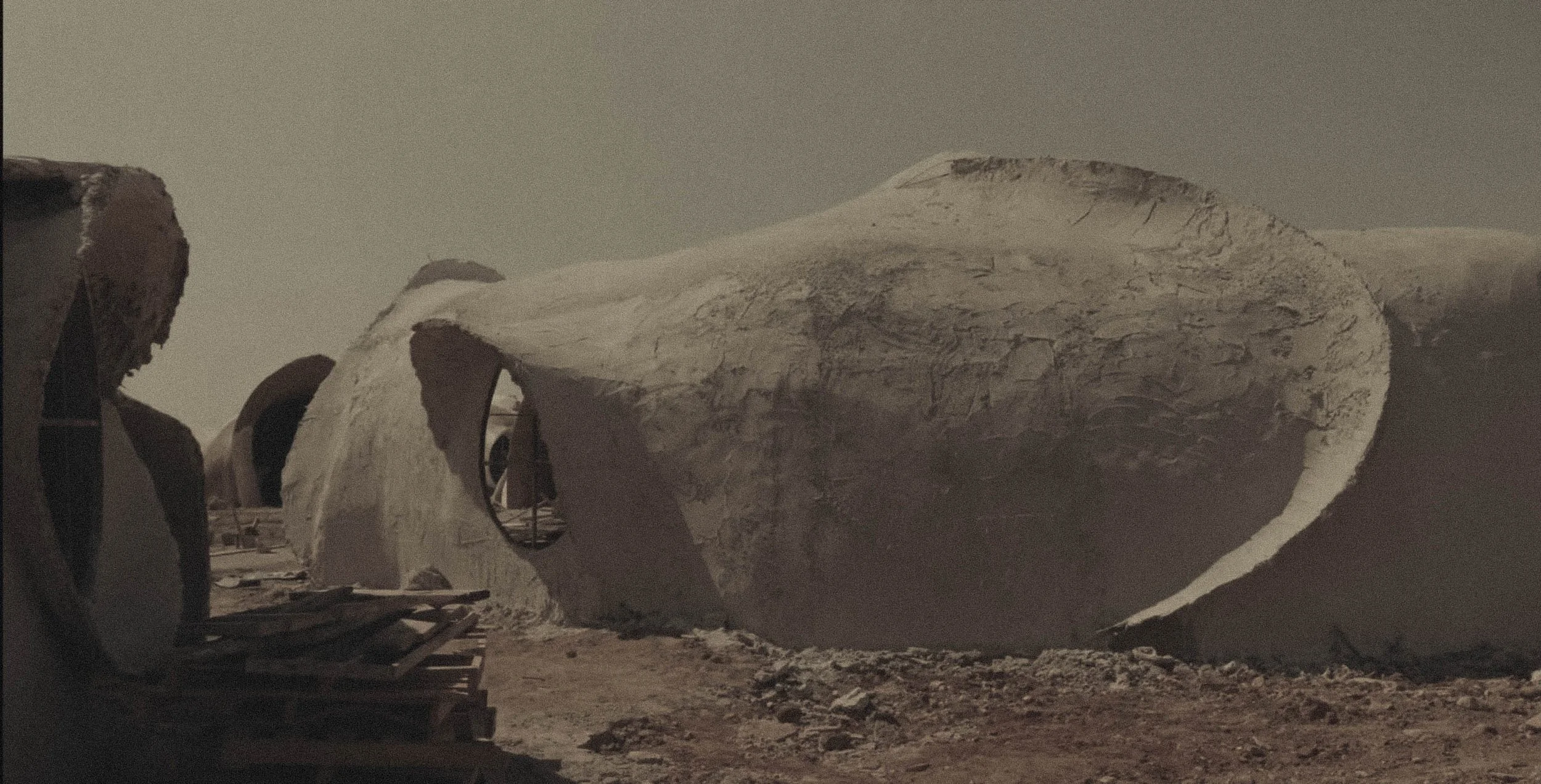
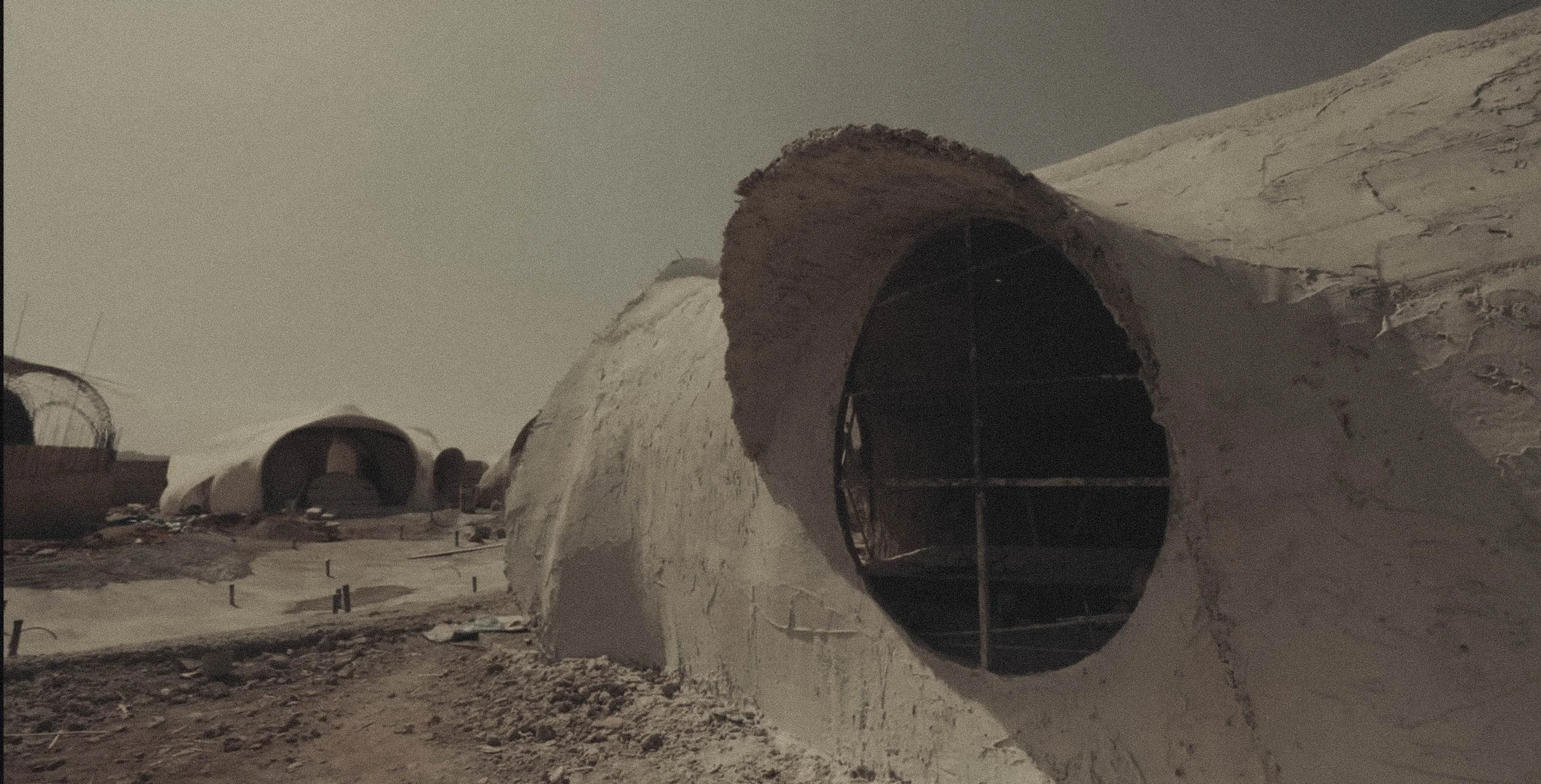
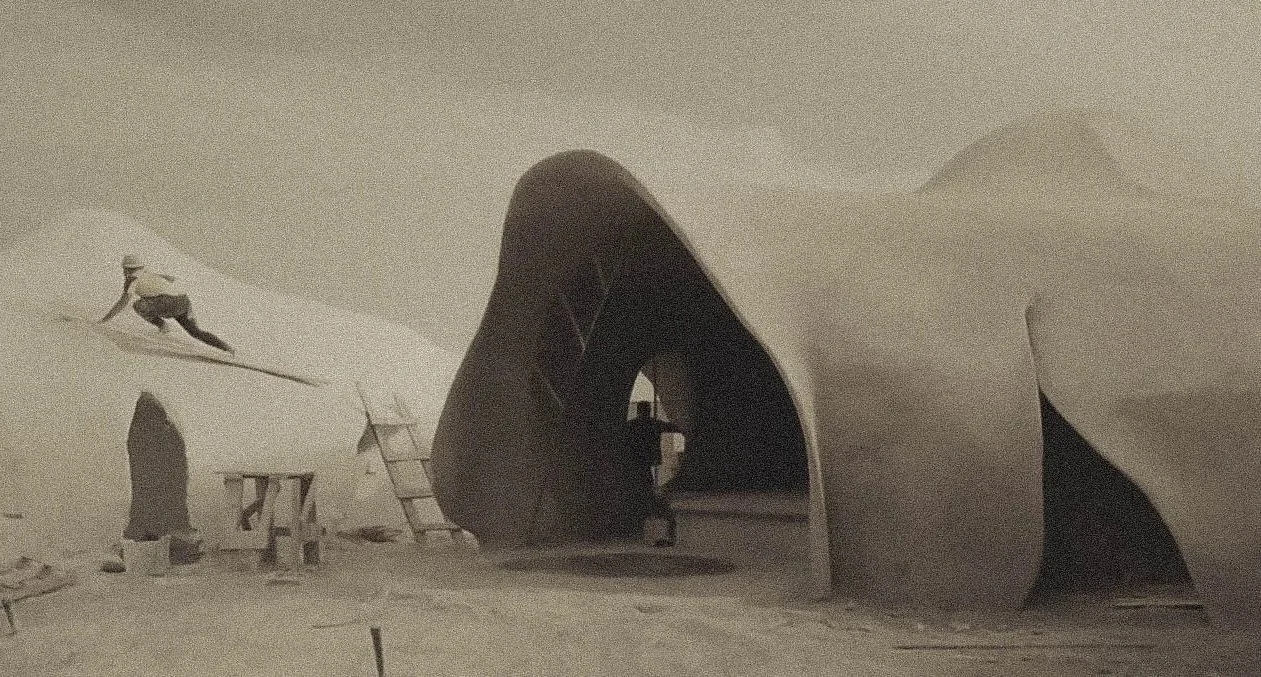
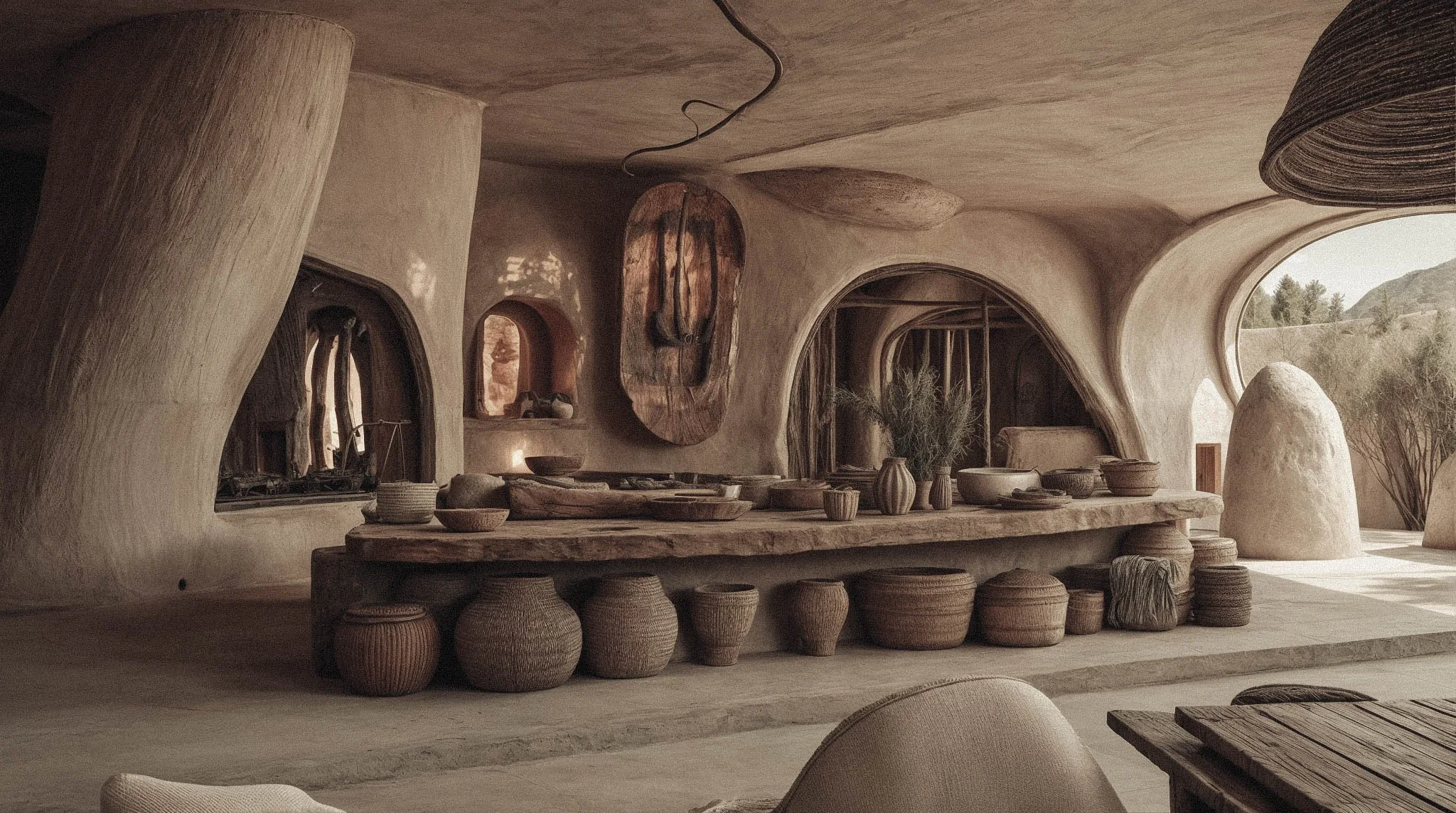
For the Kasah project in Morocco, the architectural language is developed through a careful study of kasbahs and the khaimas of nomadic cultures.
Their spatial intelligence, material economy, and relationship to climate inform a contemporary architectural expression rooted in continuity rather than imitation.
Architecture is conceived as an extension of the desert itself.
Volumes, textures, and thresholds emerge from the logic of the dunes, allowing the built form to integrate seamlessly into the landscape.